
Operations
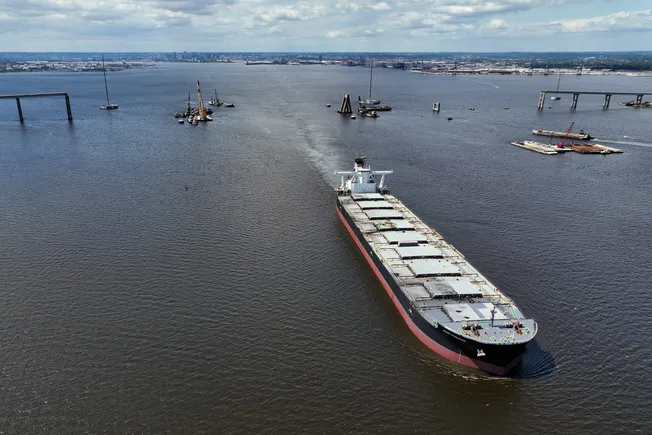
Baltimore Port Reopens After Bridge Collapse; How Much Can Cargo Volume Recover?
The Port of Baltimore fully reopened on June 12 after the bridge collapse in March closed the channel. Executive Director Jonathan Daniels said ship numbers are expected to return to previous levels only by 2025, but bookings are picking up, and labor and trucking operators are positive about the recovery.
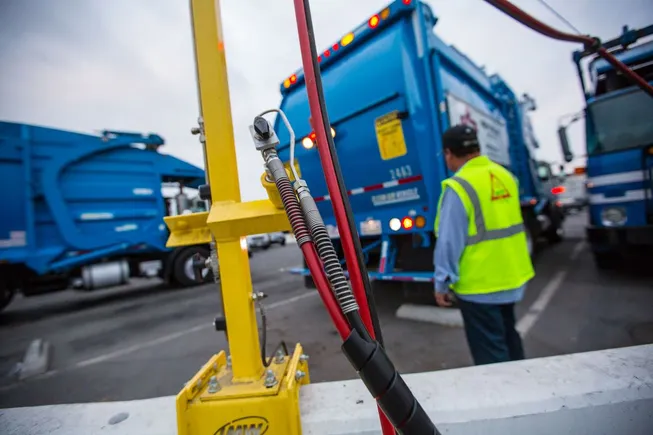
Low-Carbon Fuels and Credit Mechanisms: The Transition Path of U.S. States Toward Zero-Emission Policies
U.S. states are accelerating the legislation of Low-Carbon Fuel Standards (LCFS), incentivizing the production of fuels such as landfill biogas and renewable natural gas through credit trading mechanisms to reduce the carbon intensity of the transportation sector. New Mexico has become the fourth state to legislate, with industry and environmental organizations competing over the policy direction.

How Industry Leaders Interpret Overcapacity Data: The Exit Wave Is Nearing Its End, While Demand Still Awaits Recovery
The waves of company entries and exits in the freight industry since July 2020 are trending toward balance, but capacity has not yet fully recovered to pre-pandemic levels. Industry leaders point out that monthly data is volatile and should be assessed alongside cumulative changes and employment data. Demand has not yet recovered, and excess capacity remains in the market.
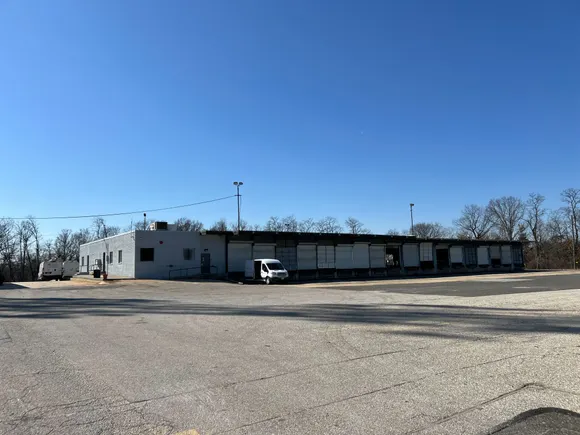
How Much Are Yellow Corp.'s Terminal Assets Worth? It Depends on Location and Bidding Perspectives
In Yellow Corp.'s bankruptcy auction, LTL carriers such as XPO, Estes, and Saia spent billions of dollars acquiring terminals, valuing location scarcity and efficiency improvements; Old Dominion exited due to high costs. The varied strategies of each company reflect that terminal value differs based on location and bidder needs.
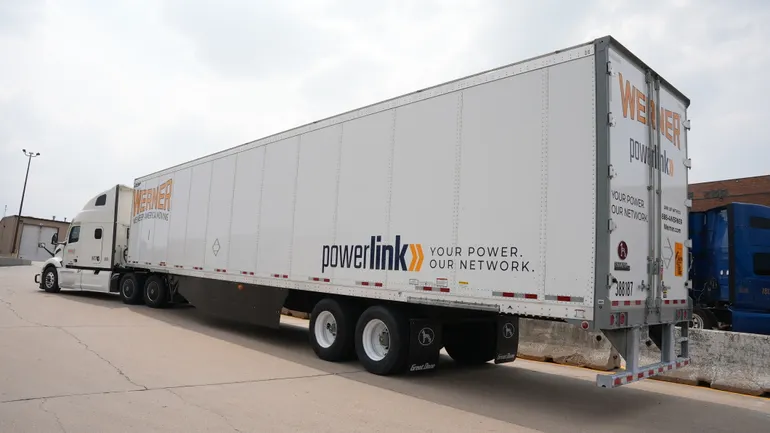
Amid Freight Market Fluctuations, Why Drop and Hook Transport Remains Favored by Carriers and Shippers
Drop and hook transport maintains high demand during both boom and downturn cycles in the freight market. By reducing loading and unloading wait times to improve efficiency, this model has become an important tool for carriers to secure long-term contracts and for shippers to ensure supply chain stability in the current weak freight rate environment. The article cites data from companies such as C.H. Robinson, J.B. Hunt, and Werner, along with industry expert insights, to analyze its market logic and future trends.

Addressing Climate Change: Five Strategies to Reduce Commercial Property Insurance Costs
Climate change intensifies natural disasters, and commercial property insurance costs in the United States rose 15% last year, the largest increase in over three decades. Experts suggest that CFOs address premium pressures through five strategies: reassessing risk tolerance, strengthening collaboration with insurers, enhancing disaster prevention measures, exploring innovative insurance products, and leveraging data analytics.
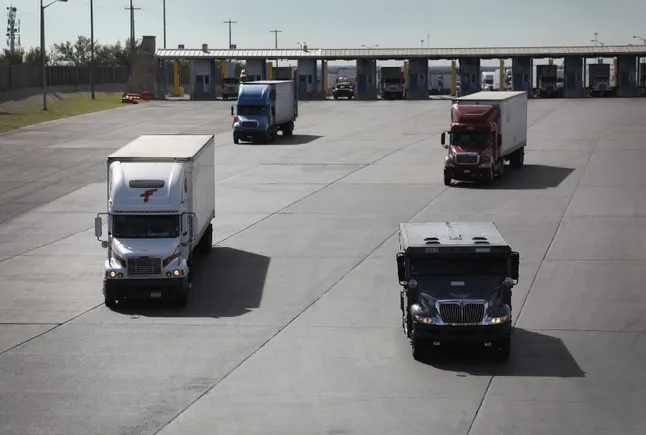
Logistics companies race to adjust layouts in response to global supply chain restructuring
The global supply chain is undergoing profound changes, with manufacturers relocating factories to Mexico, Vietnam, and other places to enhance resilience. Logistics companies are following suit, competing for emerging trade flows by adjusting ocean shipping routes, increasing air freight investment, and expanding cross-border rail services. Based on interviews and public information from companies such as SEKO Logistics, Flexport, ZIM, ONE, Hapag-Lloyd, C.H. Robinson, DHL Express, and Union Pacific, this article analyzes the response strategies of each transport mode.
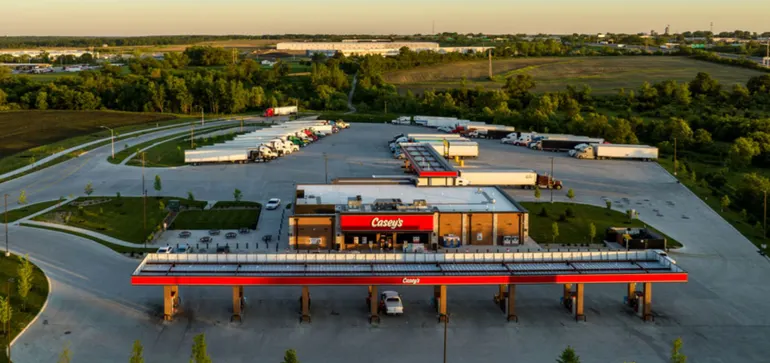
Why convenience store chains are betting big on travel centers
Against the backdrop of slowing growth in traditional convenience stores, chain brands such as Casey's, QuikTrip, and RaceTrac are turning their attention to large travel centers. With larger footprints, richer merchandise and food service offerings, higher fuel sales volumes, and longer lifecycles, this business format has become an important choice for convenience store operators to boost profitability and address the energy transition. However, entering this segment also presents multiple challenges in terms of capital, site selection, operations, and manpower.

BlackRock and Vanguard Adjust Trucking Industry Holdings at End of 2022: Convergence and Divergence in Strategies
Recent securities filings show that asset management giants BlackRock and Vanguard adjusted their holdings in several trucking industry companies at the end of 2022. The two institutions converged in their increased positions in targets such as Knight-Swift, Forward Air, and XPO, but diverged in strategy on Old Dominion Freight Line. Experts suggest that the changes may reflect operational differences between active funds and index funds rather than a clear judgment on company prospects.
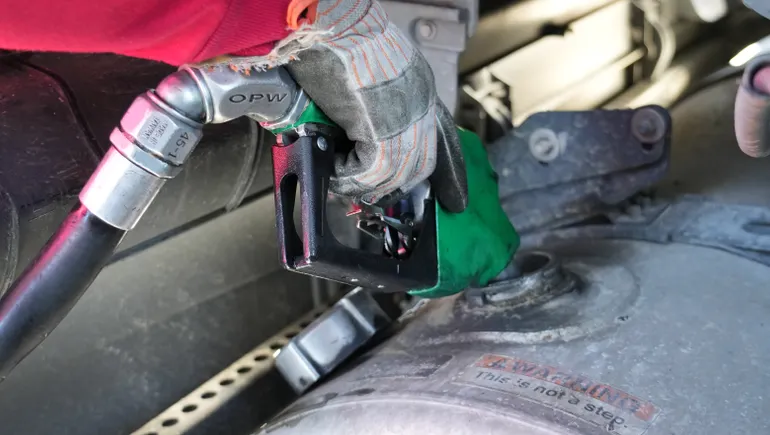
Fuel tax relief for trucking industry or 'almost no help'
Maryland and Georgia recently implemented fuel tax relief, but representatives of the trucking industry believe that due to the International Fuel Tax Agreement (IFTA) requiring taxes based on miles traveled, such measures provide little help to cross-state trucking companies. The American Trucking Associations urges states to reconsider and warns of potential impacts on infrastructure funding.