
Labor
A Century of ABF Freight: Double Returns from People Investment and M&A Strategy
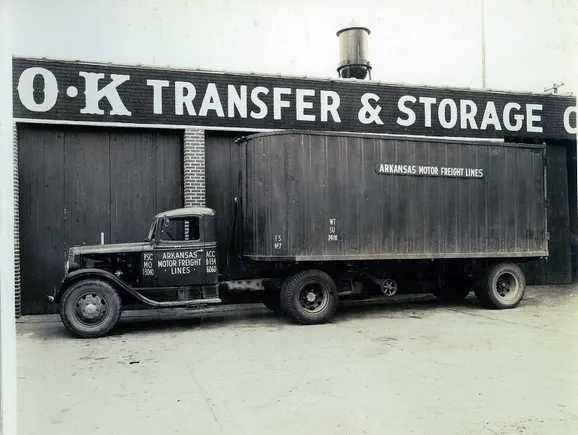
As ABF Freight celebrates its centennial, company president Seth Runser sits down for an exclusive interview, reflecting on how this regional carrier, which started in Arkansas, grew into the largest unionized less-than-truckload (LTL) transportation enterprise in the United States through corporate culture building and key acquisitions.
From Richmond: How Virginia's Capital Nurtured Three LTL Trucking Giants
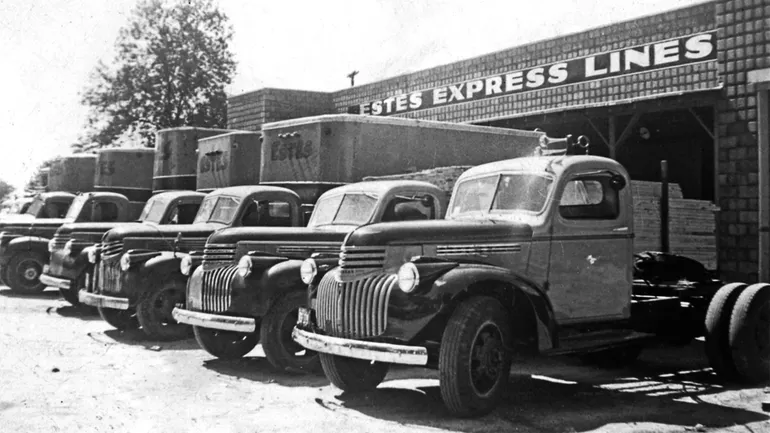
In the 1930s, J. Harwood Cochrane, Lillian and Earl Congdon Sr., and W.W. Estes each founded family trucking companies in Richmond, Virginia, initially transporting agricultural products. Today, Overnite Transportation Co. (later renamed TForce Freight), Old Dominion Freight Line, and Estes Express Lines have become top LTL carriers nationwide. This article analyzes the geographic, familial, and strategic factors behind their success.
How the Trucking Industry Helped Feed Millions in Florida After Hurricane Ian
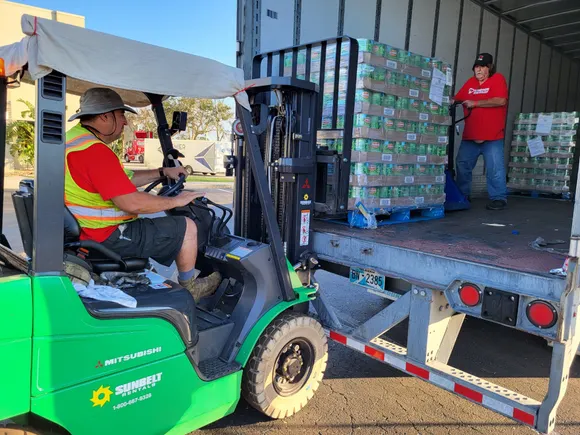
After Hurricane Ian devastated Florida, volunteers such as truck driver Joe Myerly, through organizations like Operation BBQ Relief, used transportation networks to deliver food and supplies to disaster areas. The American Logistics Aid Network provided free transportation support, enabling the nonprofit to scale up meal provision to 60,000 to 80,000 meals per day, with plans to ultimately cover 1 million meals.
A Lonely Profession: How the Pandemic Eroded Truck Drivers' Mental Health
The pandemic has made the already lonely profession of truck driving even worse. This article explores the impact of the pandemic on drivers' mental health, the current state of the industry, and corporate responses, while emphasizing the importance of breaking the stigma around mental health issues.
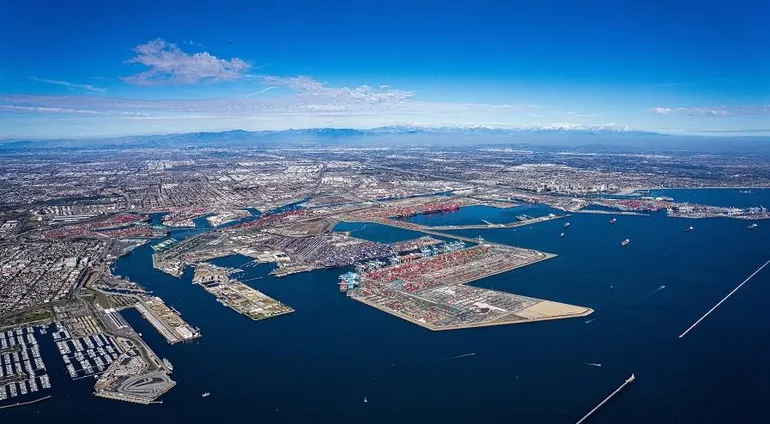
The Role of the Trucking Industry in Solving the Congestion Crisis at West Coast Ports
The Port of Los Angeles and the Port of Long Beach are experiencing historic congestion, and the industry is divided over the root causes. The trucking industry is being looked to for solutions, but experts point out that the port problem cannot be solved merely by adding more drivers or chassis; the backlog of empty containers and terminal operational efficiency are the crux of the issue.
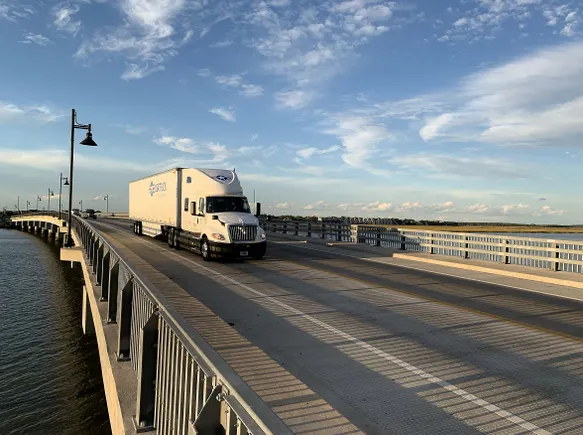
Transportation executives face a key decision: remote, office, or hybrid work?
In the early days of the pandemic, transportation companies like USA Truck quickly transitioned to fully remote work, but the decision to return to the office is far from black and white. The hybrid work model—part-time remote and part-time in the office—has become a popular choice, but executives must consider multiple factors such as culture, safety, and productivity, while also facing the risk of employee attrition. Roles such as drivers and technicians in the transportation industry cannot be performed remotely, intensifying the difficulty of the decision. This article explores the pros and cons of remote and hybrid work, communication key points, and management readiness.
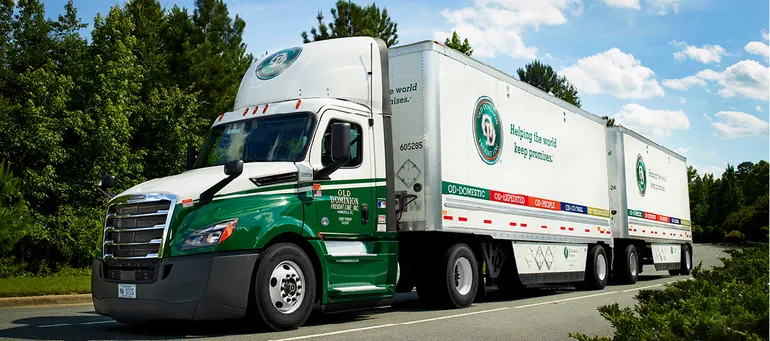
Old Dominion Freight Service Center Strategy Drives LTL Business Growth
Old Dominion Freight Line uses "door pressure" reports to evaluate the operational efficiency of its service centers and determine expansion plans accordingly. In 2021, the company added 9 service centers, bringing the total to 246, but rising land costs and zoning approval difficulties became major bottlenecks. The company insists on not cutting services to maintain its industry-leading operating ratio.

Driver Shortage: A Key Piece in the Tightening Capacity Puzzle
The freight industry is experiencing a sustained tightening of capacity, expected to continue into 2021, with the driver shortage being the primary factor. A wave of retirements, career transitions, and the pandemic's impact on driver's license processing and training schools have collectively exacerbated this situation. According to estimates from U.S. Xpress executives, the industry's driver shortage could reach as high as 200,000 by the end of this year.

2020 Freight Industry Fate Still Dominated by COVID-19 Pandemic
As COVID-19 cases surge again in the U.S., states like California have re-implemented restrictions, prompting freight economists and consulting agencies to reassess industry prospects. Rajeev Dhawan, director of the forecasting center at Georgia State University, stated that 2020 freight data "will not look good by any measure"; Avery Vise, vice president at FTR, expects loadings to decline by 5.7% this year, with capacity utilization not recovering to around 88% until May 2021. Industry insiders point out that the pandemic remains the key variable determining the freight industry's fate throughout the year.

Freight industry reflects on racial bias amid national wave
Following the George Floyd incident, the U.S. freight industry has begun to examine its own racial bias issues. Black drivers face systemic barriers in financing, networking, and hiring, with industry giants responding differently, and the path to diversity remains long and arduous.