
Deep Dive
来自我们记者的行业洞察
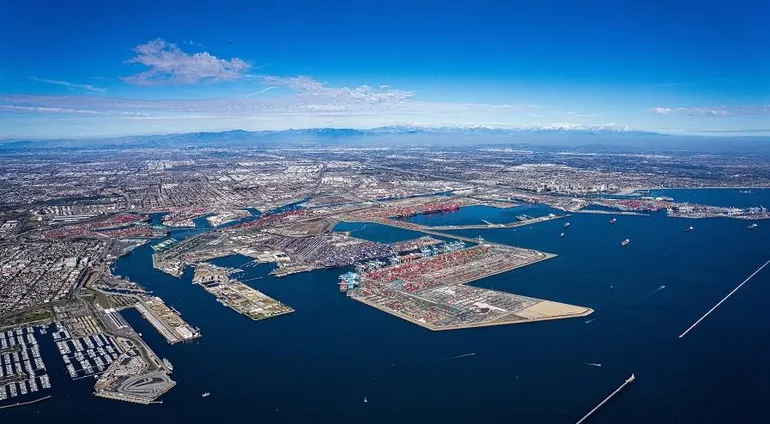
The Role of the Trucking Industry in Solving the Congestion Crisis at US West Coast Ports
Severe congestion at the ports of Los Angeles and Long Beach has prompted stakeholders across the supply chain to explore its root causes. Although high hopes are placed on the trucking industry, industry experts point out that the crux of the congestion does not solely stem from trucking capacity; the accumulation of empty containers, terminal operational efficiency, and intermodal coordination are the key factors. This article reviews various perspectives and recent response measures.

Driver Recommendations in the Age of Social Media: A Modern Take on Recruitment Methods
As labor shortages continue to plague the freight industry, corporate recruitment strategies are undergoing transformation. Social media-driven peer referrals, also known as crowdsourced recruiting, are becoming a new trend. Truck driver Clarissa Rankin showcases her daily work on TikTok to attract newcomers; advertising agency Conversion Interactive Agency and software company DriverReach have both observed the effectiveness of such methods. Despite challenges such as verifying authenticity, experts believe that for well-run fleets, social media recruiting offers more benefits than drawbacks, is simple to execute, and yields significant results, with potential for continued growth.
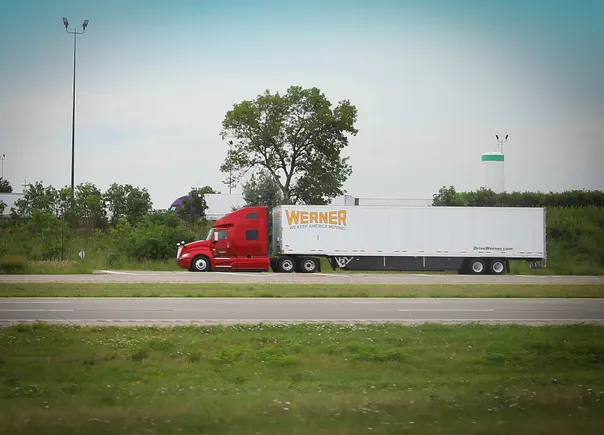
Shippers Avoid High-Priced Spot Market, Contract Freight Business Booms
Against the backdrop of high spot rates and tight capacity, shippers are accelerating their shift to contract carriage (dedicated carriage), while carriers actively adjust routes to meet demand. Werner has 66% of its fleet dedicated to contract freight, and an FTR vice president notes this trend is nationwide. Beyond cost factors, shippers also seek to secure long-term capacity, with contracts typically spanning three to five years. Meanwhile, e-commerce and retail demand for stable inventory further drives this trend. However, building a private fleet is not easy—equipment maintenance is complex and there is a driver shortage—so many retailers still choose to partner with carriers. Companies like U.S. Xpress and Penske Logistics are helping shippers achieve control and flexibility through contract carriage services.
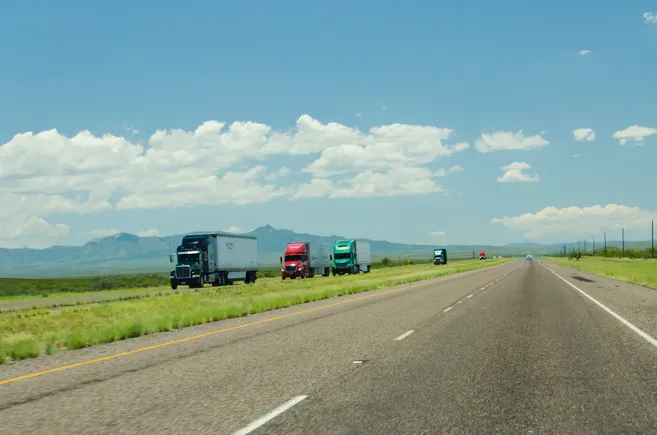
The Rise of Less-Than-Truckload Shipping: How E-Commerce Is Reshaping the Middle of the Supply Chain
The rise of e-commerce has turned the "middle segment" of the supply chain—the transportation links between the first mile and the last mile—from a neglected supporting role into a competitive weapon. As a key force in this middle segment, less-than-truckload (LTL) shipping has seen its growth rate and strategic position significantly enhanced. Based on industry expert insights and data, this article analyzes how e-commerce is driving the rise of LTL, reshaping the freight landscape, and discusses the challenges and opportunities that come with it.

Analysis of the Impact of 3G Network Shutdown on Supply Chain Visualization Technology
Major U.S. carriers plan to shut down 3G networks by the end of 2022, forcing users of supply chain tracking and visualization technology to upgrade to 4G devices. Chip shortages, logistics delays, and installation costs pose challenges, but experts point out that failing to upgrade in time will lead to a significant decline in operational efficiency.
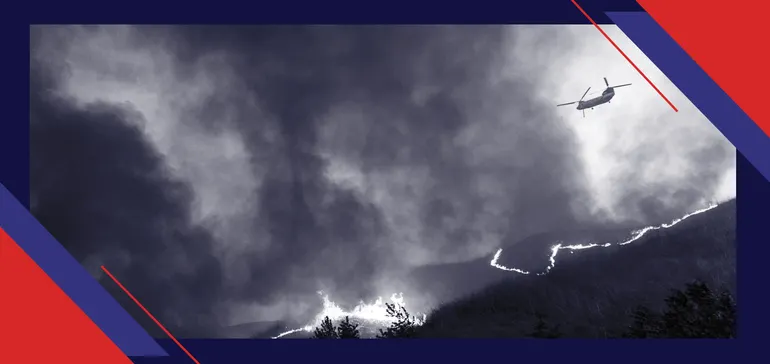
California wildfires are frequent and more intense, logistics network expansion faces severe tests
In 2020, California wildfires burned over 4.25 million acres, and the 2021 fire season is expected to be worse. As logistics networks expand in densely populated areas, wildfires are threatening key nodes such as warehouses, highways, and railways. This article analyzes the specific impacts of wildfires on supply chains and introduces how companies can enhance resilience through data tools, emergency drills, and insurance strategies.
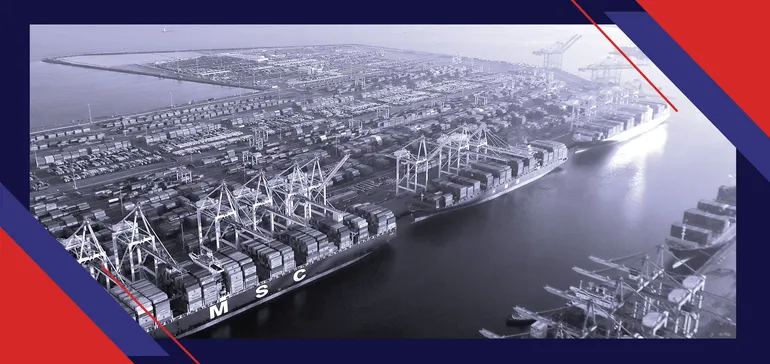
Frequent storms and increasing volatility prompt some ports to address risks—but most have yet to act
Based on in-depth reporting on cases such as the Port of New York and New Jersey and the Port of Los Angeles, this article analyzes recovery experiences and resilience-building progress at ports following extreme weather events like Hurricane Sandy. Experts note that port supply chains are highly interconnected, but most ports lack formal climate resilience planning, and there are no mandatory federal standards.
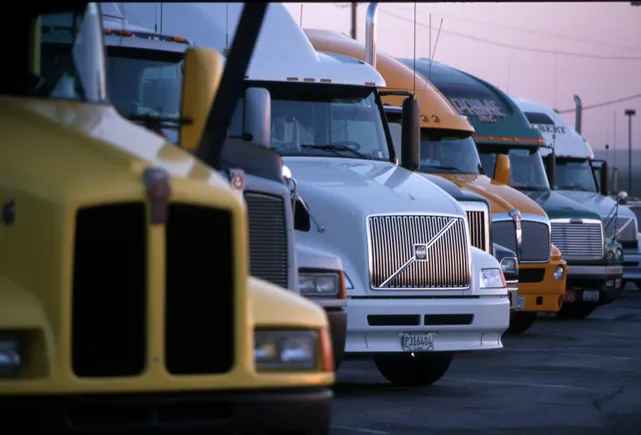
No Bubble Concerns for the Freight Industry in 2021: Market Resilience Amid Capacity Constraints and Strong Demand
The freight industry saw a strong recovery in 2021 with spot prices soaring, but experts believe this boom will not quickly turn into a bubble. Capacity constraints, driver shortages, and supply chain bottlenecks serve as natural guardrails for the market, allowing the industry to maintain cautious optimism amid strong demand.