Operations
High freight rates drive food shippers to build their own logistics systems
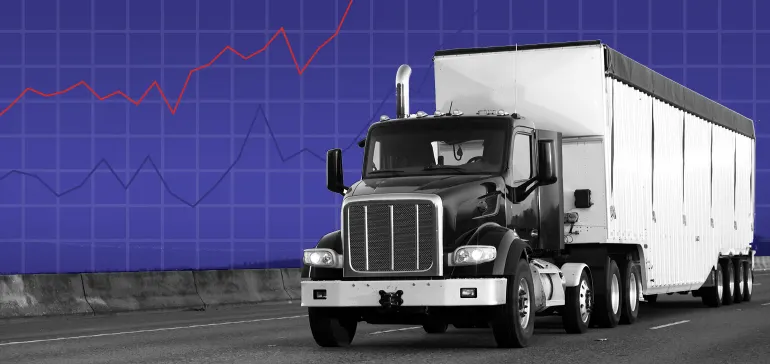
Against the backdrop of high full-truckload and less-than-truckload rates, port congestion, and capacity shortages, food industry shippers are facing dual pressures of rising transportation costs and uncertain transit times. Some companies choose to bypass congested ports, while others begin to build or expand their own transportation fleets, while also mitigating the impact by strengthening communication and collaboration with upstream and downstream partners.
Spot market prices remain high, driving surge in dedicated fleet contract business
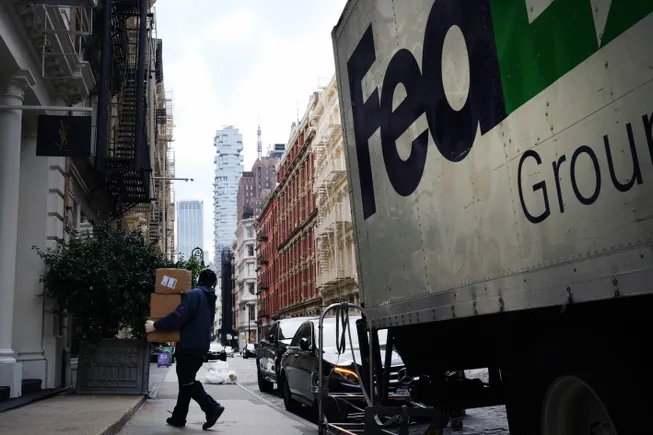
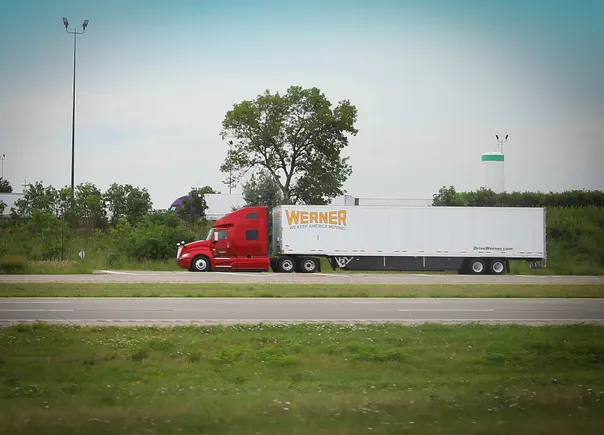
High spot market prices and tight capacity are pushing shippers toward dedicated transportation services. Werner has 66% of its fleet dedicated to this model, and FTR notes the trend is nationwide. Beyond cost factors, the need for capacity assurance and stability is a primary driver. Dedicated contracts typically span 3 to 5 years, and the industry is shifting from private fleets to dedicated models.

The Rise of Less-Than-Truckload Freight: How E-Commerce Is Reshaping Mid-Mile Transportation in the Supply Chain
The explosive growth of e-commerce is reshaping the middle segment of the supply chain—mid-mile transportation. Over the past five years, less-than-truckload (LTL) freight has grown at a pace far exceeding that of full truckload (TL), becoming a key pillar of e-commerce fulfillment. Drawing on industry executive insights and data, this article analyzes the reasons behind LTL's rise, the challenges it faces, and its future trends.
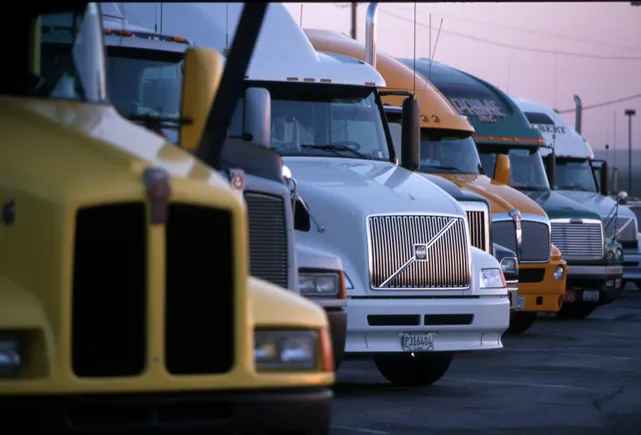
No Bubble Concerns for the Freight Industry in 2021: Tight Capacity Acts as an Industry 'Guardrail'
After hitting a low point in 2020, the U.S. freight industry is experiencing a strong recovery. Despite surging spot prices and robust demand, industry experts believe that due to factors such as driver shortages, the chip crisis, and stricter regulations, capacity expansion is limited, and this boom will not form a bubble in the short term.
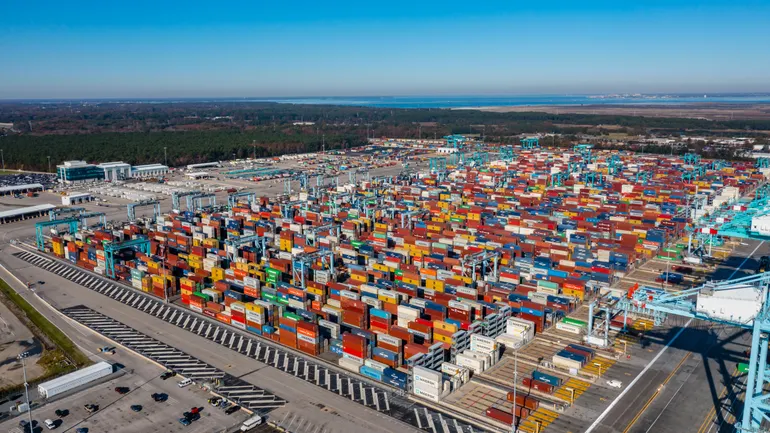
US West Coast Port Congestion Continues to Intensify, Full Truckload Spot Rates Remain High
After months of supply chain congestion, trucking routes in the Los Angeles area had shown signs of normalizing, with the number of vessels waiting outside the port falling from its February peak. However, the latest data shows no long-term decline in import volumes, and in the week of March 28, freight volumes in Los Angeles and Ontario re-entered DAT's top ten list. Port congestion, surging e-commerce demand, and a driver shortage are jointly pushing up spot rates, and analysts expect this trend to persist for three to four months.
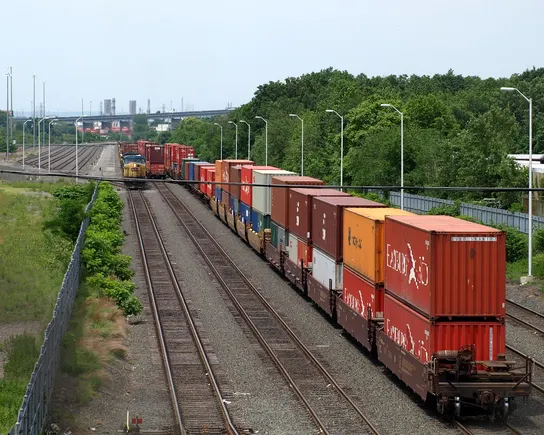
Highway Freight vs. Rail Transport: The Battle of Advantages Amid Surging Spot Rates
With truckload spot rates surging, shippers are reassessing rail intermodal options. Analysts from ACT Research, DAT, and the rail sector point out that rail holds advantages in cost and high-volume transport, while trucking leads in transit time and visibility. Currently, both markets are tight, with limited capacity expansion emerging as a common bottleneck.