
Regulation
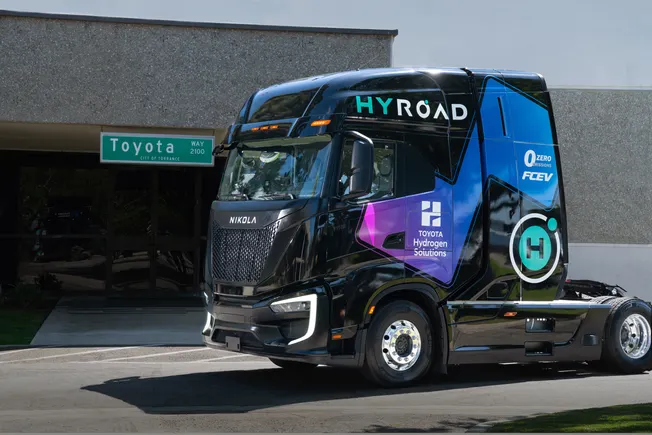
Toyota to Build First Hydrogen Refueling Station in Southern California, Advancing Hydrogen Fuel Cell Heavy-Duty Truck Logistics
Toyota plans to build its first hydrogen refueling station at its North American Parts Center in Ontario, Southern California, and, together with Hyroad Energy, deploy 40 hydrogen fuel cell Class 8 trucks for transporting finished vehicles and parts from ports to dealers. The station is expected to be completed in early 2027 and will be open to non-Toyota customers. This move is seen as a key step in Toyota's 2050 zero-emission goal in the commercial vehicle sector.
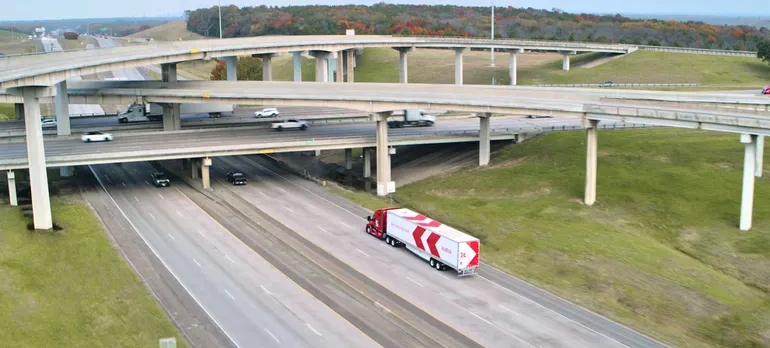
California Lifts Restrictions on Driverless Truck Operations, Paving the Way for Autonomous Freight
The California Department of Motor Vehicles (DMV) announced on April 28 the adoption of new regulations, lifting the ban on driverless trucks weighing over 10,001 pounds operating on public roads, allowing autonomous freight to operate in California. The new rules aim to enhance safety, oversight, and enforcement while providing manufacturers with a clear path to commercialization. Manufacturers must complete a two-phase testing program totaling 1 million miles and submit safety cases. Industry insiders have welcomed the move, believing it will improve the efficiency and safety of freight transportation.
California Lifts Restrictions on Driverless Truck Operations, Paving the Way for Autonomous Freight
On April 28, the California Department of Motor Vehicles announced the adoption of new regulations lifting the ban on driverless trucks weighing over 10,001 pounds operating on public roads, allowing autonomous freight operations in the state. The rules aim to enhance safety, oversight, and enforcement, requiring manufacturers to complete a total of 1 million miles of testing in phases and establishing qualification standards for remote operators. Industry insiders believe this move paves the way for commercialization.
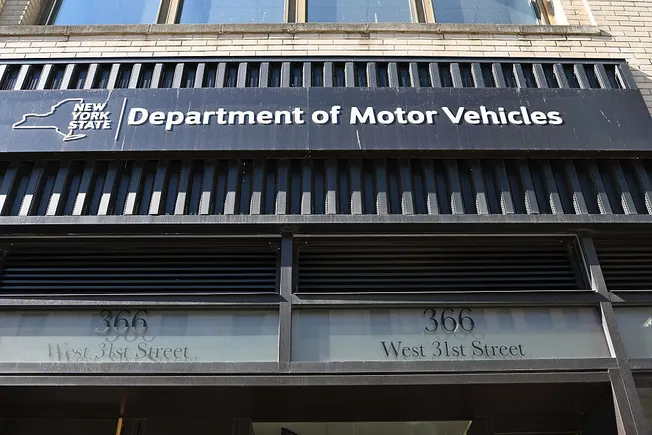
New York State Sues Federal Department of Transportation and FMCSA Over $73.5 Million Grant Loss
New York State has formally sued the U.S. Department of Transportation, the Federal Motor Carrier Safety Administration (FMCSA), and two officials over the loss of a $73.5 million federal grant. The dispute centers on whether the state's issuance of commercial driver's licenses (CDLs) to non-citizens meets federal standards.
New York State sues federal transportation regulators over loss of $73.5 million in grants
New York State has formally sued the U.S. Department of Transportation (DOT) and the Federal Motor Carrier Safety Administration (FMCSA) over the withholding of $73.5 million in federal highway grants. The dispute centers on whether the state's issuance of commercial driver's licenses (CDLs) to non-residents, including non-citizens, complies with federal standards. The state government insists its practices are compliant and alleges that federal pressure to revoke the relevant licenses is unlawful.
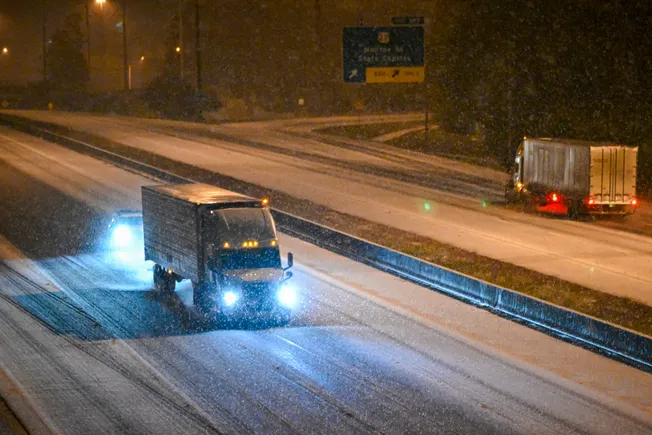
ATRI Announces Six Research Priorities for 2026
The American Transportation Research Institute (ATRI) plans to prioritize six topics for research in 2026, including addressing disruptive weather, enhancing industry reputation, and improving driver training. Other topics involve state-level operating costs, assessments of federal and state regulations, and quantifying the health impacts on drivers. Andy Owens, Chairman of ATRI's Research Advisory Committee, stated that this year's topics reflect the current environment in which the industry operates. This is the first time since 2019 that the annual plan has listed more than five topics.
ATRI Announces 2026 Research Priority List
The American Transportation Research Institute (ATRI) announced that it will prioritize research on six topics in 2026, including disruptive weather response, industry reputation maintenance, and best practices in driver training. This is the first time since 2019 that the annual research list has exceeded five items. Andy Owens, chairman of ATRI's Research Advisory Committee, stated that this year's topics reflect the current environment in which the industry operates.
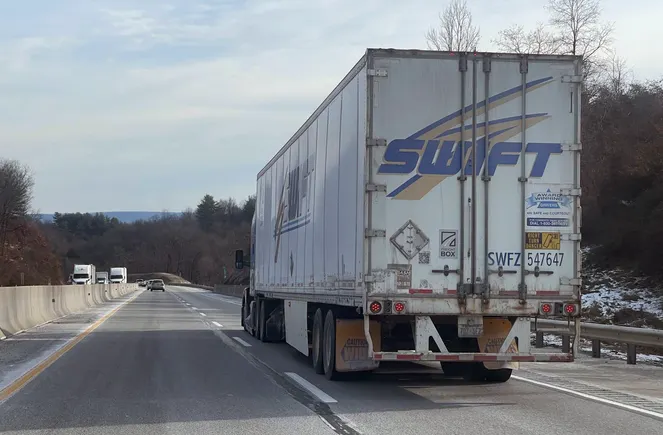
Knight-Swift CEO: New regulations are eliminating low-cost capacity, tightening market supply-demand dynamics
Knight-Swift Transportation Holdings CEO Adam Miller said on Wednesday's earnings call that federal regulatory changes initiated last year, such as stricter English proficiency requirements, are driving capacity out of the market. He believes the market improvement is driven more by capacity reduction than demand, and noted that the regulatory effects are still in their early stages. The company's Q1 revenue increased 1.4% year-over-year to $1.85 billion, with operating income down 57.1% to $28.6 million.
Knight-Swift CEO: New regulations are eliminating low-cost capacity
Knight-Swift Transportation Holdings CEO Adam Miller noted on the Q1 earnings call that federal regulatory changes, including stricter English proficiency requirements that took effect last year, are driving capacity out of the market, helping to address unsustainable rates and non-compliant carriers. The company's Q1 revenue increased 1.4% year-over-year to $1.85 billion, but operating income decreased 57.1% year-over-year to $28.6 million.
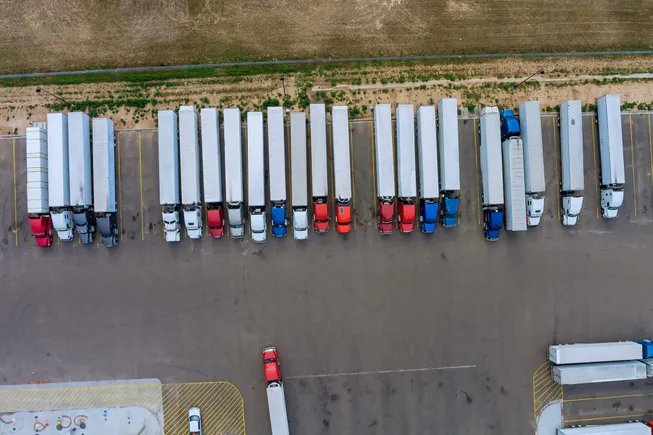
U.S. Interstate Registration Fees Proposed to Increase by an Average of 20%, Affecting Carriers and Commercial Entities
The Federal Motor Carrier Safety Administration (FMCSA) issued a notice on April 7, proposing to increase fees under the Unified Carrier Registration (UCR) program and agreement by an average of 20%, applicable to carriers and other covered commercial entities. This adjustment aims to address an estimated agency funding shortfall of $21.8 million and ensure that $118 million in revenue is raised for the 2027 registration year to distribute to participating states and the UCR program. Fee increases range from $9 for single-vehicle owner-operators to over $9,000 for the largest trucking companies. The public comment period ends on May 7.