
Deep Dive
来自我们记者的行业洞察
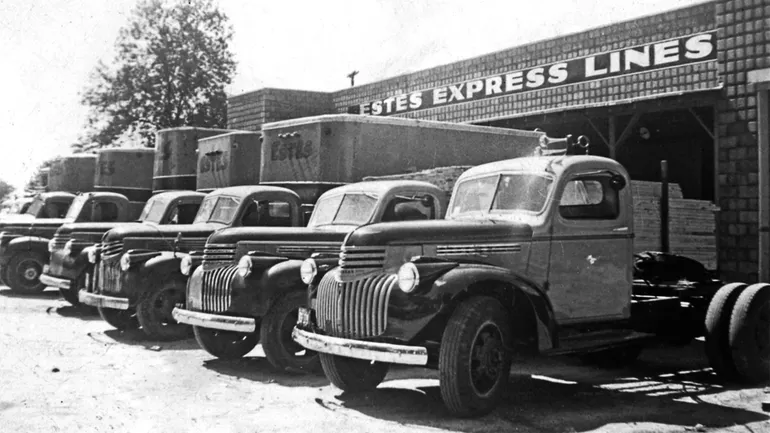
From Richmond: How Virginia's Capital Nurtured Three LTL Trucking Giants
In the 1930s, J. Harwood Cochrane, Lillian and Earl Congdon Sr., and W.W. Estes each founded family trucking businesses in Richmond, Virginia, initially transporting agricultural products such as eggs, milk, and livestock. A century later, Overnite Transportation Co., Old Dominion Freight Line, and Estes Express Lines have grown into leading LTL carriers in the United States. This article traces the growth trajectories of these three companies, analyzing how Richmond's geographic advantages, mutual assistance and competition among families, and non-union strategies jointly shaped their industry positions.
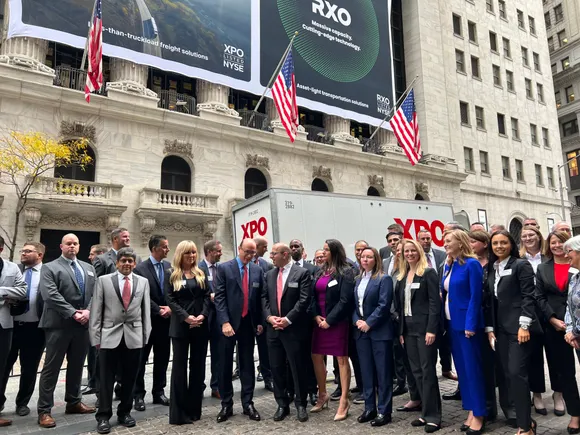
XPO and Spun-off Company Look to Growth: Brad Jacobs Steps Back
XPO Logistics completed the spin-off of its truck brokerage business on Tuesday, with the new company RXO becoming independent. Founder Brad Jacobs stepped down as CEO and transitioned to chairman of both companies. The new CEOs of RXO and XPO both stated they would continue to follow Jacobs' strategy of technology integration and shareholder value, and expect growth amid market uncertainties in 2023.
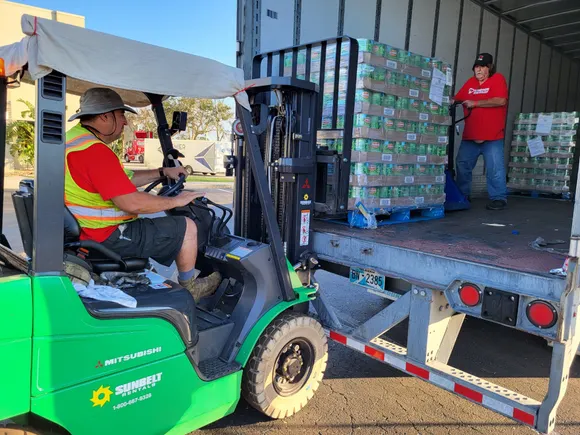
How the Trucking Industry Helped Feed a Million People in Florida After Hurricane Ian
After Hurricane Ian devastated Florida, volunteers like truck driver Joe Myerly transported food and supplies to disaster areas through organizations such as Operation BBQ Relief. Networks like the American Logistics Aid Network provided free transportation support, enabling the nonprofit to supply 60,000 to 80,000 meals daily, with plans to eventually reach 100,000 per day, and an overall goal of distributing one million meals.
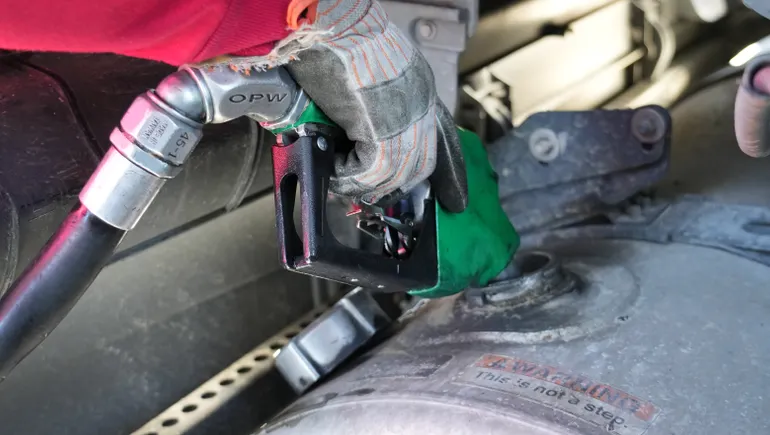
Fuel tax relief for trucking industry or 'almost no help'
Maryland and Georgia recently implemented fuel tax relief to address high oil prices, but trucking industry representatives believe this provides little help to trucking companies operating across state lines. The International Fuel Tax Agreement (IFTA) requires drivers to pay taxes to each state based on miles driven, which may offset the savings from lower fuel prices. The American Trucking Associations (ATA) opposes such policies, concerned about impacts on infrastructure funding sources. Georgia is considering exempting IFTA-related mileage taxes, while Maryland faces infrastructure funding gaps.

The Lonely Profession: How the Pandemic Intensified the Mental Health Crisis of Truck Drivers
The pandemic has left truck drivers facing more severe loneliness, anxiety, and depression. Experts point out that mental health directly affects safety and performance, and companies need to provide more support while breaking the stigma within the industry.

High freight rates prompt food shippers to enter logistics field
Persistently rising trucking rates and tight capacity are profoundly impacting the food supply chain. Facing high spot rates for refrigerated trucks, equipment shortages, and transportation delays, food producers and ranchers are adopting strategies such as shifting to less congested ports, expanding in-house transportation fleets, and enhancing communication with upstream and downstream partners to mitigate market shocks and ensure cargo delivery.
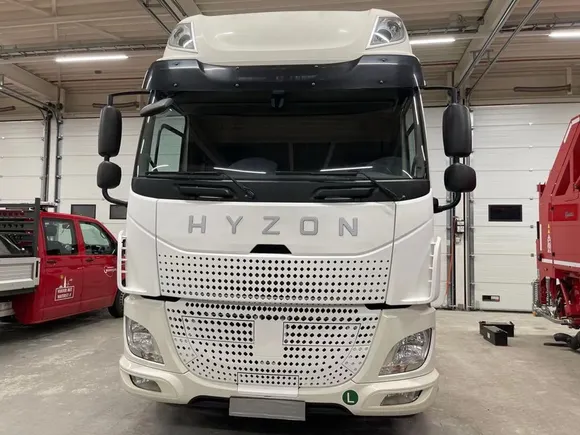
The Battle Between Battery-Electric and Hydrogen Fuel Cell Trucks in 2022: The Landscape Begins to Take Shape
Regarding alternative technology routes to replace diesel Class 8 trucks, the competition between battery-electric vehicles (BEVs) and hydrogen fuel cell vehicles (FCEVs) entered a new phase in early 2022. Data shows that the number of Class 8 BEVs in operation in North America is estimated between 4,000 and 5,000 units, while FCEVs may number fewer than a few hundred. On the policy front, the U.S. bipartisan infrastructure law allocates $7.5 billion for electric vehicle charging networks. However, hydrogen proponents argue that hydrogen fuel still holds advantages in long-haul transportation and specific operating conditions. OEMs such as Daimler and Traton have clearly prioritized pure electric routes, but companies like Volvo insist on pursuing multiple technology routes in parallel.

Regulations and cost pressures make trucking companies avoid the northeastern US market
Northeastern US states continue to intensify regulations, tolls, and taxes on trucking, coupled with winter road conditions, traffic congestion, and empty backhaul issues, significantly weakening carriers' willingness to enter the regional market. The New Hampshire Motor Transport Association successfully pushed for legislative rejection of a local clean energy mandate, but Connecticut and New York are still advancing truck-specific taxes and strict regulations, with industry organizations responding through litigation and lobbying.

Used Class 8 Truck Prices Remain High, Widening Gap Between Large Sellers and Small Buyers
According to ACT Research data, the average retail price of used Class 8 trucks in October rose 54% year-over-year to $72,200, with some auction prices even exceeding new trucks. Semiconductor shortages have limited new truck production, driving up used truck prices. Large carriers can still afford it, but small fleets and owner-operators face risks of high debt and narrowing profit margins. Companies like Ryder and Penske have seen significant gains from used truck sales, while Schneider and Werner have taken advantage of high prices to sell old equipment. The market expects prices to remain high in the short term.
Has the FMCSA Clearinghouse Narrowed the Driver Supply Pool and Intensified Hiring Challenges?
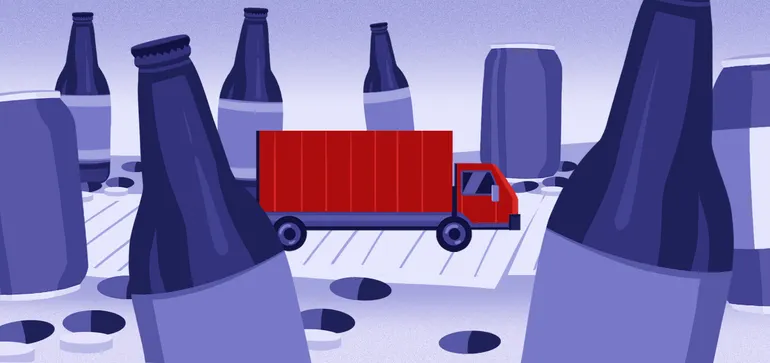
Against the backdrop of a strained U.S. supply chain, the FMCSA Drug and Alcohol Clearinghouse, effective since 2020, has recorded over 85,000 positive drug tests, with more than 75,000 drivers in a prohibited work status. Industry insiders estimate that, combined with a decline in driving school enrollment and the impact of the pandemic, the number of available drivers has decreased by approximately 220,000. This article examines the database's actual impact on hiring processes, return-to-duty mechanisms, and driving school training.