
U.S. Department of Labor Proposes to Relax Independent Contractor Classification Rules
The U.S. Department of Labor plans to rescind the Biden-era 2024 independent contractor rule and re-adopt the 'economic reality test' to determine worker status, a move supported by trucking associations but sparking debate over workers' rights.
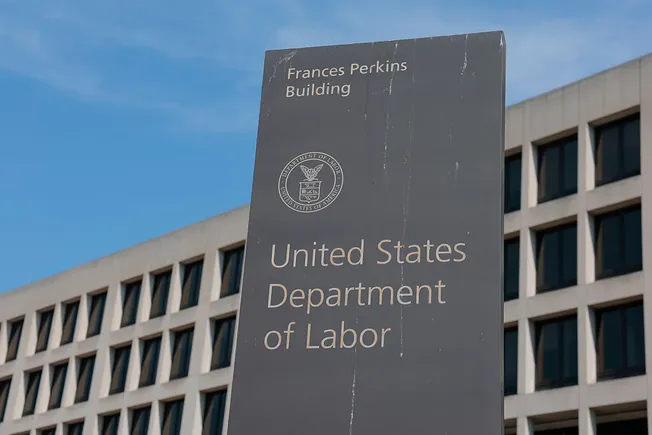
The U.S. Department of Labor (DOL) announced on Friday that it will rescind the Biden administration's 2024 independent contractor rule, based on a document to be published in the Federal Register. The department's Wage and Hour Division intends to return to the "economic reality test" to determine whether workers are independent contractors under the Fair Labor Standards Act.
The economic reality test measures whether the work is a person's primary source of income through two core factors: the degree of control the worker has over their work, and the opportunity for profit or loss based on initiative, investment, or both. This approach largely restores a final rule adopted in 2021 during the first Trump administration.
The Labor Department said the analysis framework will also be used to enforce the Family and Medical Leave Act and the Migrant and Seasonal Agricultural Worker Protection Act.
Major trucking associations welcome the move
Trucking groups expressed support for the upcoming change. The American Trucking Associations (ATA) said the measure will restore the independent contractor definition used during the first Trump administration. The ATA criticized the Biden administration's modification of the definition as "opaque and deliberately confusing," aimed at "depriving self-employed individuals of the freedom to choose to work as independent contractors."
Previously, several trucking groups sued the Labor Department over the Biden administration's 2024 rule, concerned that it would disrupt owner-operator arrangements and potentially turn these business partners into employees. The Owner-Operator Independent Drivers Association (OOIDA) also believes the new proposal aligns with the needs of its members and the traditional trucking model.
"Today's proposal is largely similar to the 2021 rule, ensuring that owner-operators can continue to work with carriers under existing arrangements without fear of being reclassified as employees," said Colin Long, OOIDA's director of government affairs, in a statement on Thursday. OOIDA also noted that the previous rule had a "problematic speed limiter loophole" that could allow carriers to micromanage independent contractors. The association said it looks forward to reviewing the details to ensure independent truck drivers are not controlled like employees.
Why replace the 2024 final rule
At a press conference on Thursday morning, a Wage and Hour Division administrative official said replacing, rather than merely rescinding, the 2024 final rule is crucial because the Labor Department is concerned that the multiple economic reality factors described in that rule "could be seen as setting a higher and broader standard than what the U.S. Supreme Court and other courts use to determine independent contractor status." Ultimately, the spokesperson said, the goal is to "provide clearer guidance" for businesses and workers in determining independent contractor status during the hiring process. He added: "Handled correctly under the proposal, it will reduce the number of misclassifications in both directions."
What the proposed rule means for workers and employers
Is this proposed rule more unfavorable to workers? That may be hard to assert. Nisha Verma, a labor and employment attorney at Dorsey & Whitney, told HR Dive via email: "Commentators like to call the new rule 'employer-friendly' and the 2024 rule 'employee-friendly,' but in my experience, that oversimplifies and ignores the nuances in these situations."
Verma said workers might actually prefer the 2026 independent contractor classification because they work with multiple companies and don't want to be "tied to a single business." She added that individuals often make these choices due to layoffs and economic conditions, so the Labor Department's proposal is "timely." Verma said: "I would like to see worker choice play a larger role in the analysis going forward, especially because workers know their own tax situations, their ability to earn other income, and their need for flexibility better than businesses do."
The 60-day public comment period begins Friday and ends April 28. After that, the Labor Department must adopt a final rule.
This article was contributed to by Trucking Dive reporter David Taube.