
Regulation
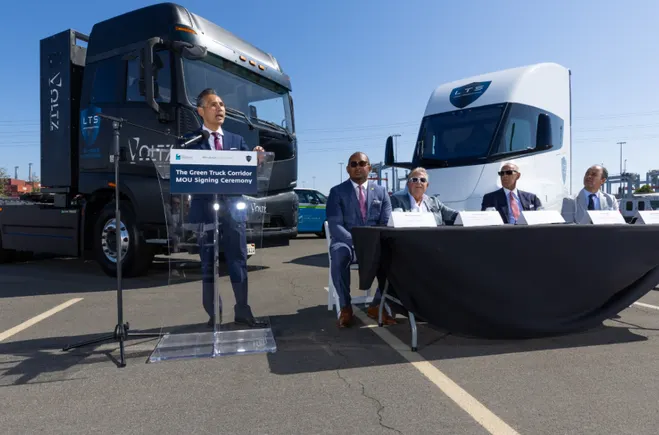
Multiple Parties Join Forces to Build California's 'Green Truck Corridor'
The Port of Long Beach, The Wonderful Co., and Lincoln Transportation Services signed a memorandum of understanding to plan the development of an approximately 150-mile-long 'Green Truck Corridor' connecting Long Beach, California, with the Central Valley, to coordinate freight movement, promote zero-emission trucks, and improve air quality.
Multi-party collaboration builds California's 'Green Truck Corridor'
The Port of Long Beach, The Wonderful Co., and Lincoln Transportation Services signed a memorandum of understanding to jointly develop a 'Green Truck Corridor' connecting Long Beach, California, with the Central Valley, spanning approximately 150 miles, aimed at enhancing freight efficiency and reducing emissions.
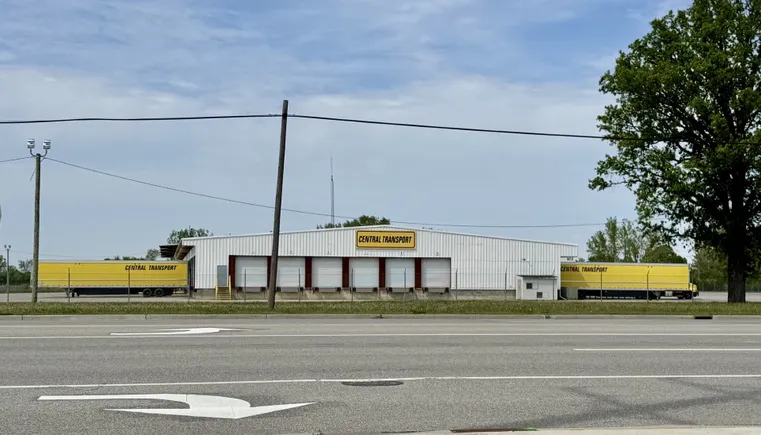
Central Transport Reaches $5.5 Million Settlement with EEOC
Central Transport will pay $5.5 million to settle a nationwide lawsuit with the EEOC. The EEOC alleged that the company repeatedly refused to hire qualified female drivers over the past decade and used different hiring procedures. The settlement includes compensation, policy review, and training requirements.
Central Transport Reaches $5.5 Million Settlement with EEOC to Resolve Nationwide Sex Discrimination Lawsuit
The EEOC announced on May 15 that Central Transport will pay $5.5 million to settle allegations that it failed to hire qualified female drivers and used different recruitment procedures over the past decade. The company denied the allegations but agreed to pay compensation, undergo external review, and enhance compliance training.
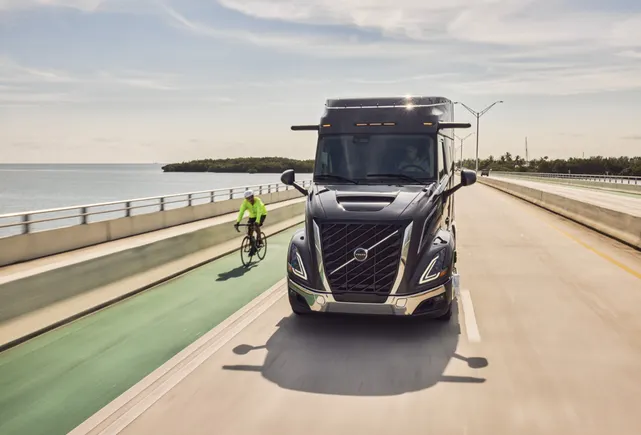
Volvo Group North America to Incur Nearly $197 Million in Costs Due to CARB Settlement
Volvo Group North America announced a settlement with the California Air Resources Board (CARB), agreeing to pay nearly $197 million to resolve allegations concerning undisclosed auxiliary emission control devices on approximately 10,000 trucks from model years 2010-2016. The settlement includes partial warranty extensions and software updates, but the company did not admit liability.
Volvo Group North America to incur nearly $197 million in costs for California Air Resources Board emissions settlement
Volvo Group North America announced a settlement with the California Air Resources Board, agreeing to pay nearly $197 million to resolve allegations concerning undisclosed auxiliary emission control devices on some of its heavy-duty truck engines. The settlement covers approximately 10,000 model year 2010-2016 trucks and includes warranty extensions and software updates for about 7,200 model year 2014-2016 engines. Volvo Group stated it does not admit liability but will record related charges in its second-quarter financial results.
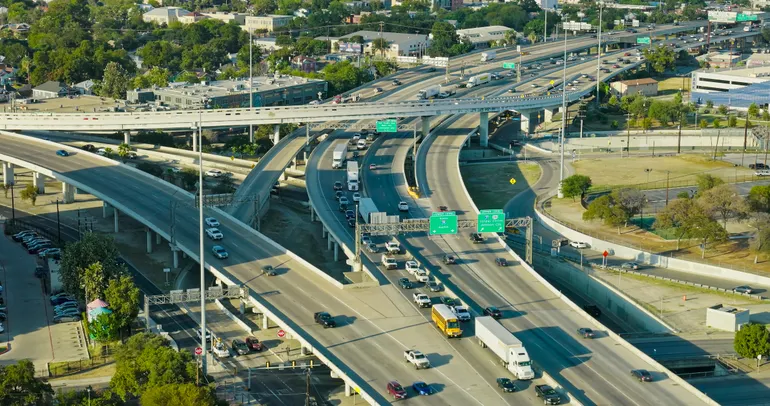
US Supreme Court ruling increases liability risks for freight broker hiring
The US Supreme Court unanimously ruled that freight brokers can be held liable for negligent hiring, overturning the preemption defense under the Federal Aviation Administration Authorization Act. Industry experts believe this will intensify compliance pressure, raise insurance costs, and drive market consolidation toward larger compliant carriers.
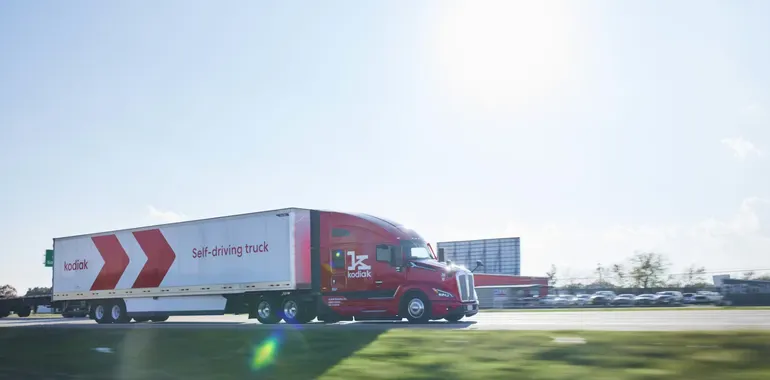
New National Autonomous Vehicle Regulatory Framework Provisions Added to U.S. Surface Transportation Bill
U.S. congressional lawmakers from both parties have reached a preliminary agreement on the Building America 250 Act, a five-year surface transportation reauthorization bill that includes provisions to establish a national regulatory framework for autonomous commercial vehicles. The bill requires the Secretary of Transportation to develop safety standards within six months to two years and allows manufacturers to self-certify safety cases, drawing mixed reactions from the industry.
New U.S. Surface Transportation Bill Adds National Autonomous Vehicle Regulatory Framework Provisions
U.S. congressional bipartisan lawmakers have reached a preliminary agreement on the Build America 250 Act, a five-year surface transportation reauthorization bill that includes provisions to establish a national regulatory framework for autonomous commercial vehicles. The bill requires the Secretary of Transportation to develop safety standards within 6 months to 2 years and allows manufacturer self-certification. Industry reactions are divided: autonomous vehicle companies welcome unified federal rules, while independent driver associations worry about safety risks from self-certification.
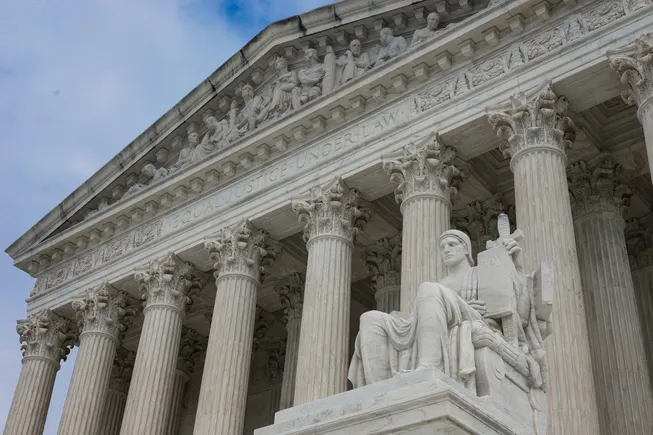
U.S. Supreme Court Issues Major Ruling in Freight Broker Liability Case
The U.S. Supreme Court issued a far-reaching opinion on Thursday, supporting the claims of truck accident victims and strengthening states' ability to regulate the freight brokerage industry in safety matters. The Court determined that the safety provision empowering states means brokers cannot be exempt from negligent selection lawsuits. The ruling overturns the lower court's decision, and the case will be remanded to the U.S. Court of Appeals for further proceedings. Industry groups and attorneys warned that this action could alter the freight selection landscape, increase broker liability risks, and ultimately drive up consumer costs.