
U.S. Supreme Court Issues Major Ruling in Freight Broker Safety Liability Case, C.H. Robinson Loses
In a major opinion issued Thursday, the U.S. Supreme Court sided with truck accident victims, ruling that freight brokers are not shielded by federal law from liability for negligently hiring unsafe carriers, enabling states to impose stricter oversight. The case, stemming from Shawn Montgomery v. C.H. Robinson, is now remanded to the appellate court for further proceedings, with far-reaching implications for the industry.
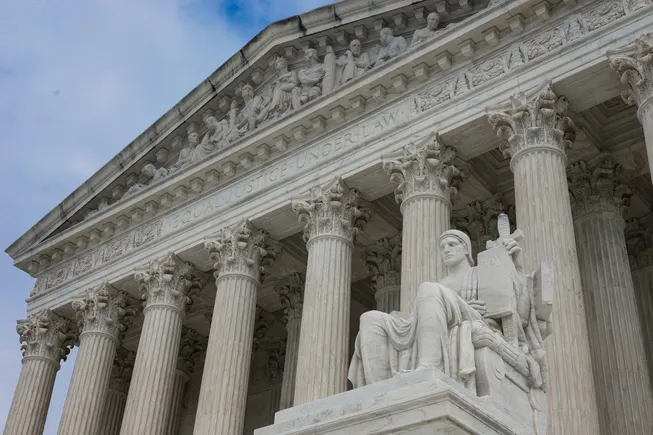
The U.S. Supreme Court on Thursday issued a landmark opinion supporting a truck accident victim's lawsuit, strengthening states' regulatory authority over the freight brokerage industry in safety matters.
The opinion clarified key legal issues for the judicial system: it determined that the safety provision granting states authority means freight brokers are not exempt from negligent hiring claims. Federal courts had previously ruled inconsistently on this issue, and this opinion brings new oversight to the brokerage industry and weakens its previous protections.
Julie Maurer, a partner at Husch Blackwell, said in a statement to Trucking Dive: "Freight brokers may now be sued in state court for negligence in selecting unsafe carriers. However, this ruling does not mean automatic liability. Brokers who conducted reasonable due diligence in carrier selection should be able to vigorously defend against such claims."
The Supreme Court found that although federal law from the 1990s provided some protection to the brokerage industry through a preemption clause, the safety exception in this case applies and indeed did apply.
With the lower court's ruling overturned, the case will be remanded to the U.S. Court of Appeals for further proceedings.
Industry advocates had previously warned that such an outcome could significantly change the industry landscape for freight carrier selection.
Harry Byrne, a partner at Duane Morris, said in a statement to Trucking Dive: "In the short term, there will be uncertainty about how negligent brokerage claims will unfold in practice. Shippers and brokers may tend to choose large, reputable trucking companies to guard against such claims. For carriers, they should expect greater scrutiny of their safety ratings and compliance records."
The opinion noted that truck driver Shawn Montgomery, who lost a leg in the accident, accused C.H. Robinson Worldwide of failing to exercise reasonable care when hiring Caribe Transport, a carrier with poor safety ratings, to transport goods.
Dorothy Capers, chief legal officer of C.H. Robinson, said in a statement that safety is a cornerstone of the company, and the company will continue to "operate responsibly, support enhanced federal enforcement, and work constructively with regulators, carriers, and customers to strengthen the national safety system and support safe and reliable transportation across the country."
Justice Brett Kavanaugh, in a concurring opinion joined by Justice Samuel Alito, noted that the court's ruling "should not be read to mean that brokers will routinely face state tort liability after truck accidents," and that brokers acting diligently can still successfully defend against state tort lawsuits.
Maurer of Husch Blackwell, citing Kavanaugh's concurrence, added: "Plaintiffs still need to prove that the broker's failure to select a safe carrier caused the accident—a meaningful hurdle that should alleviate concerns about unlimited liability."
But as industry groups and key transportation intermediaries warned, the concurrence noted that the court's action could have implications for insurance, risk, and costs. Kavanaugh suggested the result would be that U.S. consumers share the costs in the form of higher prices.
The Transportation Intermediaries Association quickly expressed disappointment with the outcome. President and CEO Chris Burroughs said in a statement: "Although brokers are fully committed to safety and work with federally licensed, reputable carriers, this ruling imposes an impossible task on brokers," requiring them to assess carrier safety even though the federal government has deemed the carrier safe to operate.
Burroughs said: "It's like asking a travel agent to assess the safety of an airline, even though that airline has been licensed by the federal government to fly."
Editor's note: This story has been updated to include legal commentary from Husch Blackwell.