
California Takes FMCSA to Court Over Funding Dispute: Legal Battle Ahead
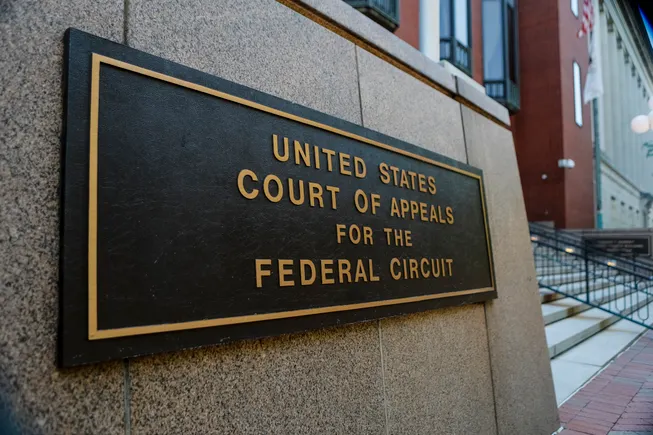
The legal dispute between California and the Federal Motor Carrier Safety Administration (FMCSA) over the withholding of approximately $160 million in funds has reached the U.S. Court of Appeals. Both parties have completed opening and closing statements, with oral arguments set for September 11. The core of the case is whether California improperly issued commercial driver's licenses (CDLs) to non-residents, which could have ripple effects on similar disputes in states like New York.
Quick Overview
- California's legal challenge against the federal government's withholding of approximately $160 million in funds has entered the U.S. appellate court process. Both parties' attorneys have completed opening and closing briefs and replies, with oral arguments scheduled for September 11, ahead of the October 1 start.
- The dispute centers on whether California improperly enforced rules and compliance requirements for non-resident commercial driver's licenses (CDLs) for immigrants. The Federal Motor Carrier Safety Administration (FMCSA) ruled in early January that California was in violation and failed to complete a corrective action plan by January 5, thus losing upcoming transportation funds.
- This case could have implications for other states facing similar funding threats, particularly New York, which the federal government has announced will lose $73.5 million in funds.
In-Depth Analysis
Related to this case is a class action lawsuit filed in a trial court in Northern California. The lawsuit seeks class relief for truck drivers holding non-resident CDLs who received notices that their licenses would be canceled on March 6.
A judge in Alameda County Superior Court noted that approximately 20,000 non-resident CDLs were affected. The court ordered the California Department of Motor Vehicles (DMV) to allow individuals who received cancellation notices to reapply and required the state to process these applications.
California stated in an email to Trucking Dive that commercial licenses that were not canceled "remain valid until the expiration date printed on the card." However, California is currently suspending the issuance of non-resident CDLs due to the FMCSA directive.
"Without federal approval, the DMV cannot reissue non-resident CDLs," the state said in the email.
The federal government noted that California agreed to a corrective action plan in late 2025 but then unilaterally altered that 60-day timeline, which was originally set to end in early January, as detailed in the opening and closing briefs. The FMCSA's 2025 audit of California found improperly issued licenses and compliance deficiencies.
The state and federal government are at odds over whether California failed to meet federal regulatory requirements. The FMCSA stated that the approximately 20,000 non-resident CDLs were improperly issued "because the license expiration dates exceeded the applicants' lawful presence periods."
The agency further noted that when employment authorization or lawful presence status "expires the next day," the state cannot issue CDLs valid for up to eight years, as this would create a "paradoxical" result.
California countered this argument in its opening and closing briefs, stating that "no federal law requires non-resident CDLs to expire on or before the date on the driver's lawful presence documents." Instead, the state said its cancellation of CDLs with expiration date and lawful presence document issues was based on state rules, not federal rules.
"The California DMV fully complies with federal law regarding expiration dates," the state said. "As long as federal maximum validity periods are met, states have the authority to regulate the validity of CDLs issued within their jurisdiction."
Meanwhile, the FMCSA issued an interim final rule on non-resident CDLs in September and a final rule earlier this year to tighten issuance standards, citing safety concerns.
"Domestic CDL applicants undergo rigorous driving record checks through the Commercial Driver's License Information System (CDLIS) and the Problem Driver Pointer System (PDPS), but non-resident applicants previously did not have their foreign driving records checked to the same extent when applying," the FMCSA said in its rule.
"This effectively concealed unsafe driving behavior—including serious violations or fatal accidents—simply because those incidents occurred outside the coverage of U.S. databases," the agency said.