
EPA Proposes to Remove DEF Derating Limits for Diesel Vehicles, Easing Heavy-Duty Truck Emission Requirements
On July 9, the U.S. EPA issued a proposal to amend the 2023 nitrogen oxide emission rules for heavy-duty diesel vehicles, including removing DEF-related derating and speed limits, reducing emission warranty requirements, postponing certain useful life provisions, and establishing a temporary nonconformity penalty mechanism. If finalized, it is expected to save truck drivers $12 billion, with per-vehicle costs reduced by up to $6,000.
Core Summary
- The U.S. Environmental Protection Agency (EPA) released on July 9a press release, proposing amendments to parts of its 2023 heavy-duty diesel truck nitrogen oxide (NOx) emissions regulations, including eliminating diesel exhaust fluid (DEF)-related engine derate and speed limiting requirements for new trucks.
- Theproposalwould also reduce emissions warranty requirements, delay implementation of certain regulatory "useful life" provisions, and establish temporary nonconformance penalties for certain heavy-duty diesel engines unable to meet the new NOx standards.
- If finalized, the EPA estimates the new rules would save truck drivers $12 billion and reduce the cost of new trucks by up to $6,000 per vehicle.
In-Depth Analysis
The proposal focuses on a major pain point in daily trucking industry maintenance: DEF-induced engine derate issues.
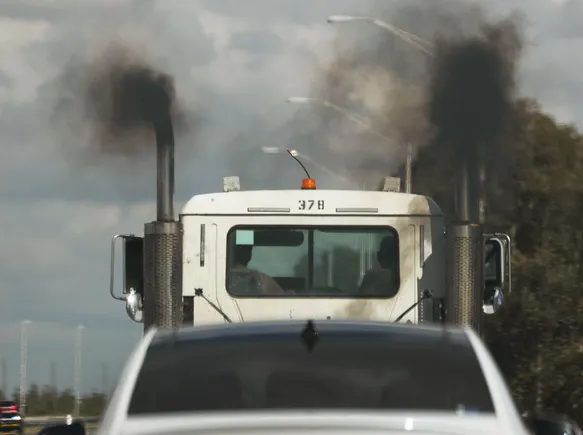
Under current regulations, when an emissions system malfunction occurs, trucks can be programmed to reduce engine power or limit speed until repairs are completed. Fleet operators have long complained thatsensor failures and other DEF-related issuescan force otherwise operational trucks out of service, resulting in costly downtime.
Under the EPA's proposal, new trucks would no longer be forced to derate due to emissions system malfunctions. Instead, drivers would receive warning notifications and could continue operating the vehicle until repairs are made.
The EPA also proposes giving manufacturers more time to develop and test new technologies before the requirements in the 2023 rule take effect, though no specific extension period was provided.
"If finalized, these changes will help manufacturers continuously improve vehicles without being forced to rush them to market before technologies are mature," EPA Administrator Lee Zeldin said in the press release.
The proposed rule will undergo a 45-day public comment period and a public hearing, after which the EPA will decide whether to finalize the changes.
This announcement follows the EPA's recent release of the"Freedom to Fix" guidance. That guidance clarifies that truck owners and independent repair shops can service emissions control systems and return vehicles to certified configurations without violating federal anti-tampering rules. The EPA also requires manufacturers to improve access to emissions-related diagnostic information, software, and tools to expand repair options.