
Deep Dive
来自我们记者的行业洞察
Why carriers, shippers use drop and hook in good times and bad
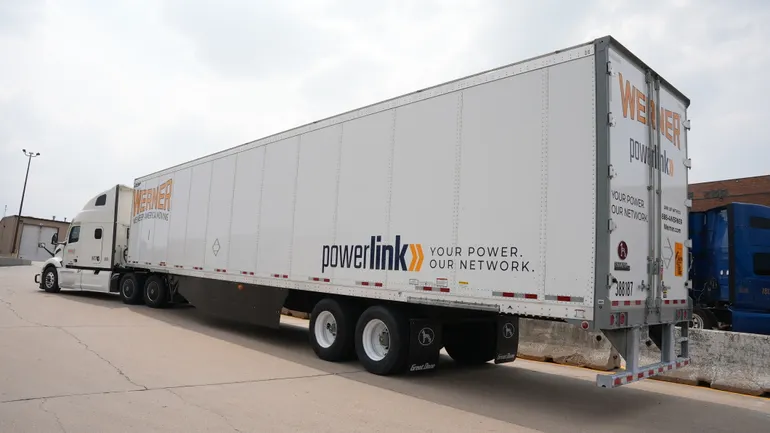
Drop and hook transportation maintains high demand during both prosperous and sluggish periods in the freight market. This model involves carriers dropping empty trailers at docks and hooking loaded trailers, replacing on-site loading and unloading, thereby improving efficiency and reducing dwell time. In the current weak rate environment, fleets and freight brokers use this approach to cope with low freight volumes and secure long-term agreements. Several companies such as J.B. Hunt, Werner, and C.H. Robinson have expanded related programs, and experts expect demand to remain stable.

2024 Freight Industry Trends Watch: Costs, Technology, and Labor in Focus
In 2024, freight industry executives will closely monitor rising operational costs, technology adoption, and labor retention issues, while awaiting a rebound in freight demand. Industry organizations will push for the repeal of the federal fuel excise tax, permanent truck parking funding, and broker fraud protection, among other topics.

Addressing Climate Change: Five Strategies to Cut Commercial Property Insurance Costs
Climate change-induced disasters such as tornadoes and floods have caused U.S. commercial property insurance costs to surge, rising 15% in 2022, the largest increase in over three decades. CFOs face a seller's market and need to adopt new strategies. Expert recommendations include: comprehensively reviewing risk tolerance, strengthening collaboration with insurers, enhancing loss prevention, exploring innovative products like parametric insurance, and leveraging data analytics.
A Century of ABF Freight: Double Returns from Talent Investment and M&A Strategy
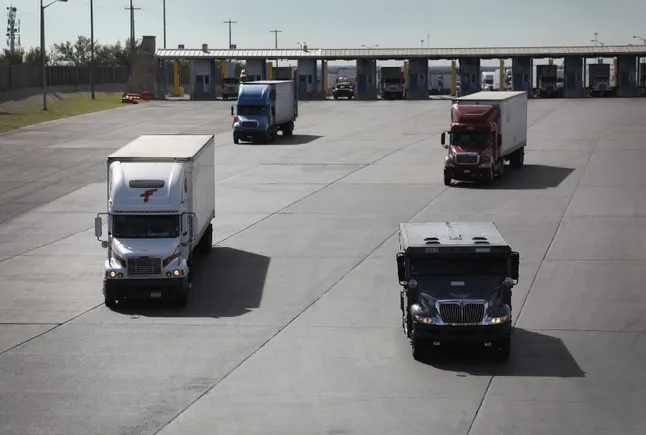
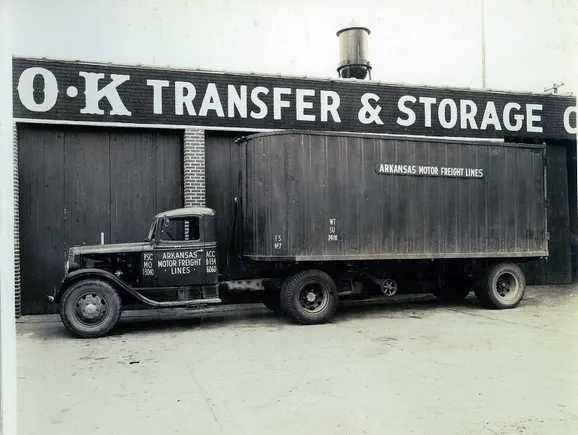
ABF Freight celebrated its centennial in 2023, successfully navigating through cycles despite challenges such as a freight recession, the impact of Yellow Corp.'s bankruptcy, and cyberattacks, thanks to its deep corporate culture and a series of strategic acquisitions. President Seth Runser emphasizes that continuous investment in employees and 'leadership by presence' are core to maintaining competitiveness. This article is the third in Trucking Dive's exclusive interview series, reviewing the company's century-long transformation from a local transporter in 1923 to the largest unionized LTL carrier in the nation.
Freight Giants Set Sights on 2024 Election: 'Winning the Deal'
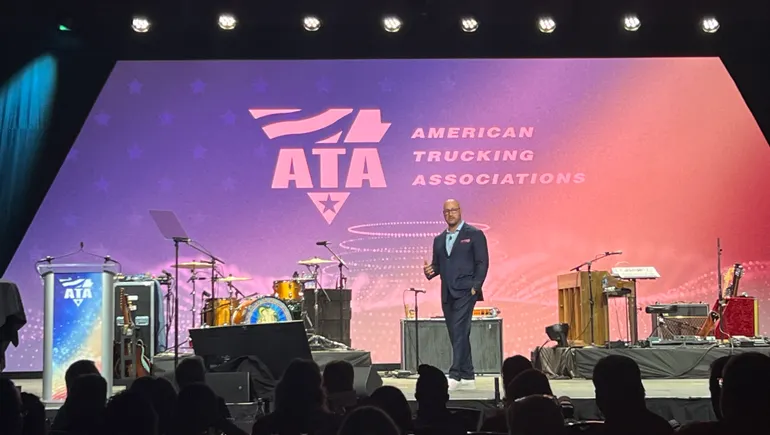
At the 2023 American Trucking Associations (ATA) Management Conference and Exhibition, although the economy remained the industry's top concern, the 2024 presidential election has become an equally important issue. New ATA Chairman Andrew Boyle urged the industry to advocate with empathy, while the association has not yet wagered on any presidential candidate in political contributions.
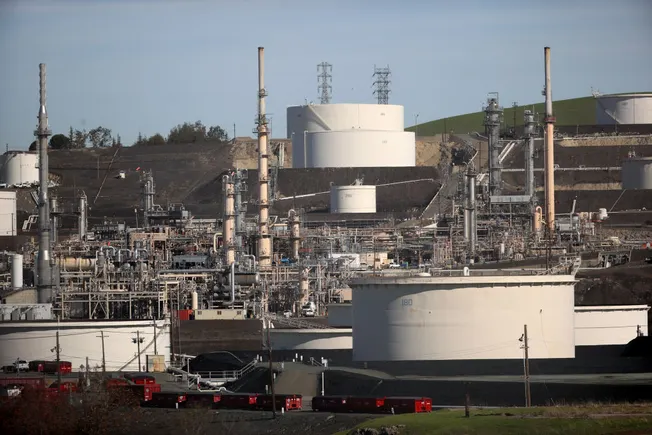
California diesel prices surge due to tax rate increase, putting pressure on interstate truck operators
California diesel prices rose sharply in September due to a tax rate increase, with average prices exceeding $6 per gallon. Interstate truck operators face higher quarterly IFTA taxes, while refinery transitions reduce supply, further driving up costs.
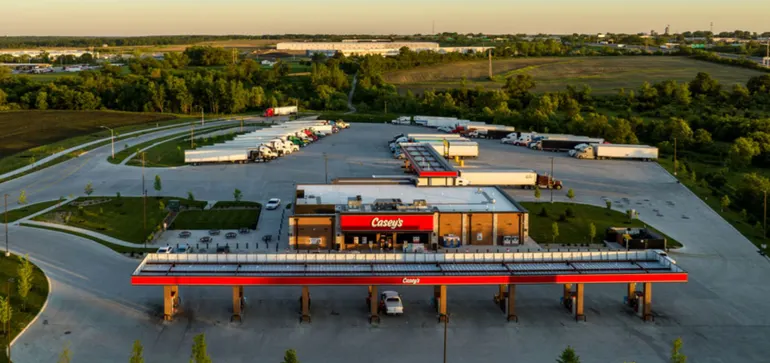
Why Convenience Store Chains Are Betting Big on Travel Centers
Traditional convenience store operators like Casey's, QuikTrip, and RaceTrac are actively expanding their travel center businesses to capitalize on higher profit margins, greater customer traffic, and longer industry life cycles. Experts note that travel centers offer significant advantages in scale, product variety, food service, and diesel sales, while also being better positioned to accommodate future electric vehicle charging needs. However, entering this sector involves challenges such as substantial capital investment, operational complexity, and talent shortages, and competing with established truck stops like Pilot and Love's may be disadvantageous without fuel supply agreements.
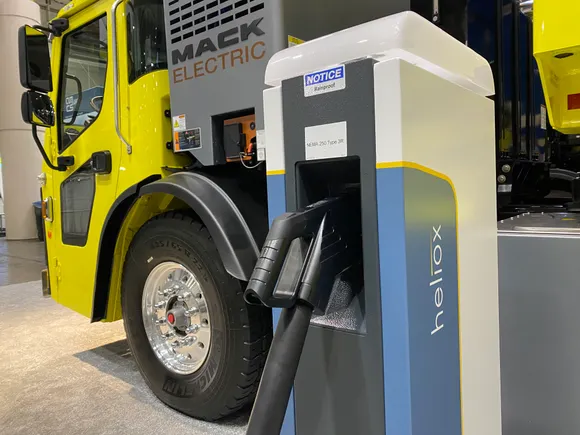
California Leads the Electric Transition, Waste Industry Warns of 'Bumps and Bruises'
The California Air Resources Board (CARB) adopted the Advanced Clean Fleets Rule on April 28, requiring garbage and wastewater hauling fleets to achieve 10% zero emissions by 2030 and 100% by 2042. Industry executives at the WasteExpo investor summit warned that battery-electric trucks still cannot compete with CNG or diesel vehicles in terms of cost, payload, and range, with charging infrastructure being the biggest bottleneck. Leading companies like Republic Services have begun purchasing electric trucks, but smaller haulers face greater challenges.

BlackRock and Vanguard Adjust Trucking Industry Holdings at End of 2022: Strategy Convergence and Divergence Coexist
BlackRock and Vanguard adjusted their holdings in several trucking companies at the end of 2022. The analysis shows that the two institutions increased holdings in the same direction for targets such as Knight-Swift and Forward Air, but diverged on Old Dominion Freight Line. Experts pointed out that changes in holdings may not predict future returns of individual stocks, and the differences may reflect strategic distinctions between active management funds and index funds.