
Deep Dive
来自我们记者的行业洞察
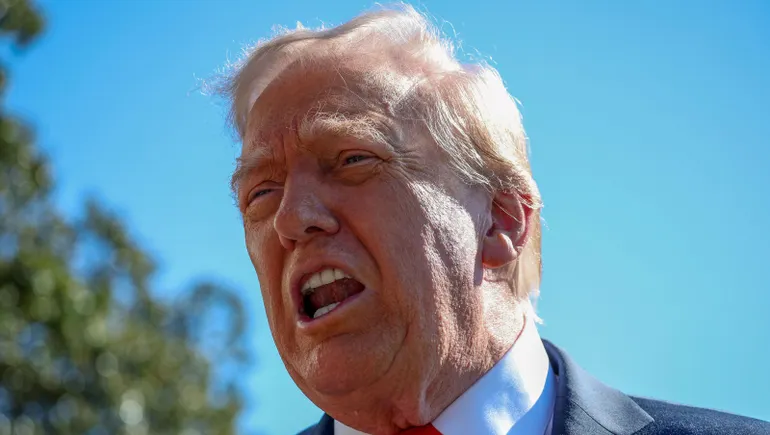
What tools does Trump have to impose tariffs?
The country-specific tariffs imposed by the Trump administration under the International Emergency Economic Powers Act are set to face review by the Supreme Court. Although the act grants the president broad tariff authority, two federal court rulings have deemed the relevant practices unlawful. Beyond IEEPA, Trump can still pursue tariff policies using tools such as Section 232 of the Trade Expansion Act of 1962, Sections 301, 201, and 122 of the Trade Act of 1974, and Section 338 of the Tariff Act of 1930. This article analyzes each of these mechanisms and their legal constraints.

Congress could soon revoke California’s vehicle emissions standards
The U.S. House of Representatives has passed a resolution attempting to overturn the EPA's waiver for California's vehicle emissions under the Congressional Review Act. The Senate may vote as early as next week. Environmental and public health experts warn that this move will hinder air quality improvements and could weaponize the Congressional Review Act to retroactively overturn decades of agency actions.

‘A whirlwind’: Saia sprints toward nationwide ambitions in 100th year
Amid a freight recession, Saia accelerates its national expansion at its centennial with $1 billion in spending and competitive bids for Yellow terminals.

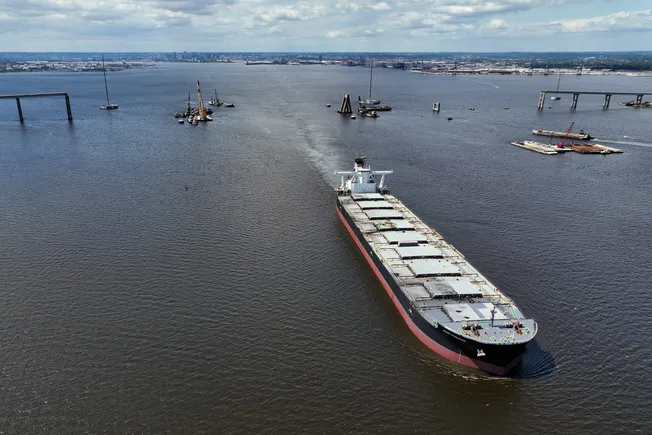
The Port of Baltimore is reopened from the bridge collapse. How much cargo will return?
Eleven weeks after the collapse of the Francis Scott Key Bridge, the Port of Baltimore has fully reopened. Port officials and supply chain parties are cautiously optimistic about the recovery of cargo volume, expecting that the number of ships will not return to previous levels until 2025.

‘A totally different world’: Autonomous trucks prepare to go driverless in Texas
As Kodiak Robotics and Aurora Innovation prepare to remove safety drivers from public roads in Texas, autonomous trucks are moving toward fully driverless operations. A reporter experienced Kodiak's autonomous demonstration firsthand and visited both companies' operation centers to gain insight into their safety philosophies, technological capabilities, and the challenges they face.
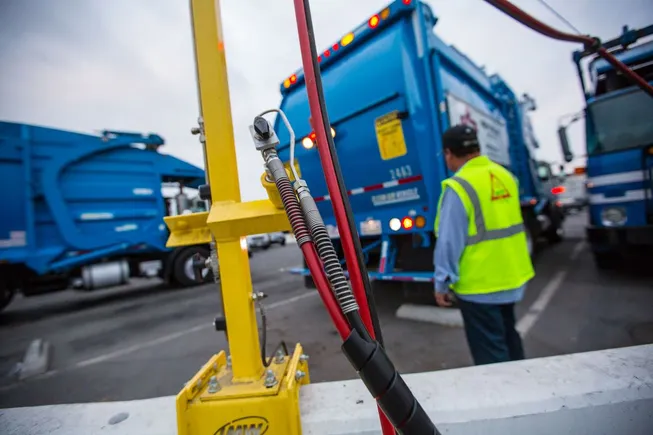
Low carbon fuels, credit programs help transition toward zero-emission policies
U.S. states are accelerating the adoption of low-carbon fuel standard legislation, using credit trading mechanisms to incentivize the production of low-emission fuels such as renewable natural gas. New Mexico recently became the fourth state to legislate, with California's model presenting both successful experiences and potential controversies, as oil giants shift their stance, while environmental groups urge policy focus to lean toward electrification.

How industry leaders are analyzing overcapacity data
Since July 2020, the trucking industry has experienced a wave of company entries, followed by high revocation numbers, and the market has been gradually rebalancing. Industry leaders such as Dean Croke of DAT and Mark Rourke of Schneider point out that the wave of exits may be nearing its end, but cumulative data still shows excess capacity. Experts suggest adopting a cumulative perspective and employment data to avoid misreading monthly fluctuations. Weak demand remains the main constraint, and full market balance will still take time.
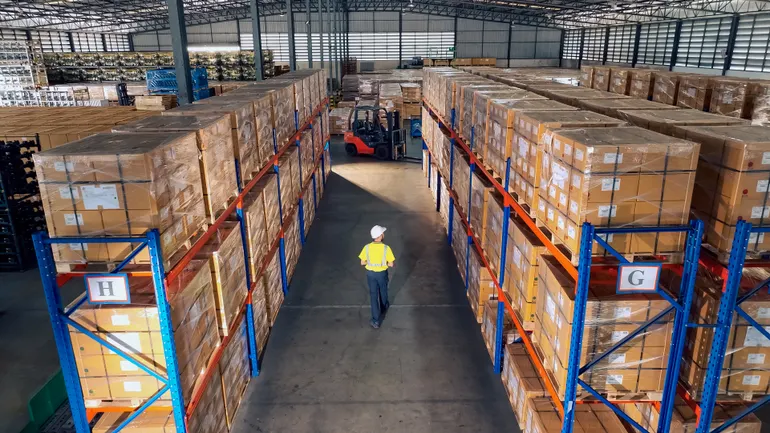
Freight rates could rebound this year: experts
Freight companies may not need to wait until next year to escape the prolonged rate downturn. Several carrier executives and industry analysts point out that the market has shown signs of improvement, and rates may rebound this year, but the increase is expected to be moderate, requiring supply chain managers to adjust strategies in advance.
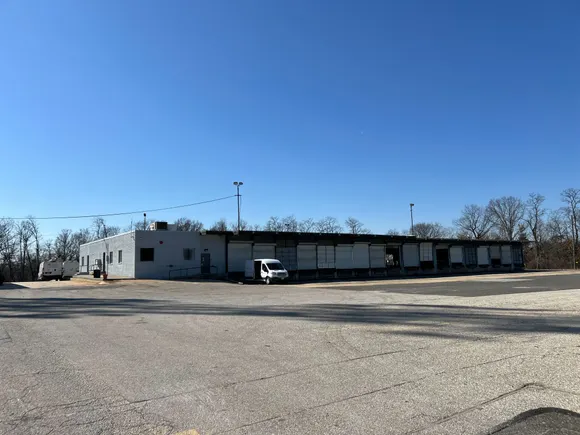
What’s a Yellow terminal worth? It depends on location, and who you ask.
In Yellow Corp.'s bankruptcy auction, LTL carriers such as XPO, Estes, and Saia spent billions of dollars acquiring its freight terminals, valuing location and scarcity; Old Dominion exited due to high costs. Executives from each company disclosed acquisition strategies and the value of specific facilities in interviews and earnings calls.