
US Imposes 50% Tariffs on Multiple Key Imports from Canada
US President Trump issued multiple proclamations on July 20, imposing 50% tariffs on numerous key imports from Canada under Section 338 of the Tariff Act of 1930, effective August 19. The tariffs cover a wide range of categories including raw materials, chemicals, textiles, and consumer goods, but exclude energy, potash, Section 232 items, fish, and critical minerals. The White House stated that Canada's practices in alcohol, dairy, and automobiles constitute discrimination. Canadian Prime Minister Carney called the move a violation of the USMCA but expressed willingness to continue negotiations.
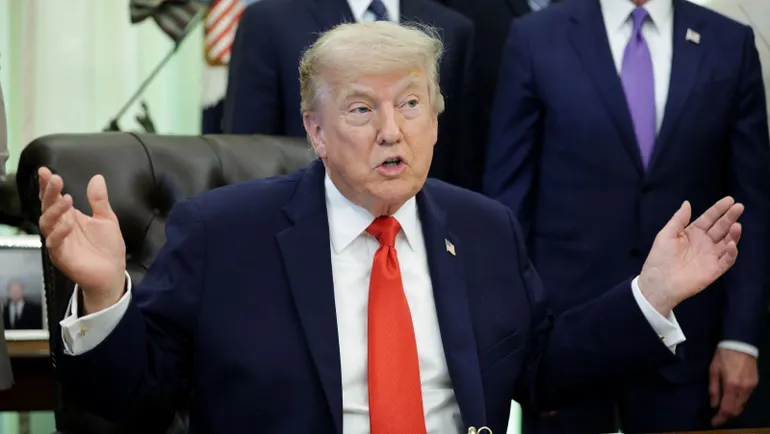
U.S. President Donald Trump signed multiple proclamations on Monday (July 20), announcing an additional 50% tariff on various key imports from Canada starting August 19, regardless of whether these goods are originating under the USMCA framework.
According to lists attached to the proclamations (reviewed by Supply Chain Dive), the tariffs apply to a wide range of products, spanning categories such as agricultural raw materials, natural materials, chemicals, textiles, consumer goods, wood products, paper, machinery, and tools.
A White House fact sheet stated that the tariffs apply to all covered goods, regardless of whether they qualify for preferential treatment under USMCA. However, energy, potash, goods subject to Section 232 tariffs, and specific items such as fish and critical minerals are excluded from the additional tariffs.
Trump imposed the maximum tariffs under Section 338 of the Tariff Act of 1930, after formally determining that Canada's trade practices in several key areas discriminate against the United States. The determinations are detailed in three separate proclamations, targeting alcoholic beverages, dairy products, and motor vehicles imported from Canada.
For example, the White House noted that Canada imposes tariffs and quotas on U.S. imported vehicles, but does not impose equivalent restrictions on vehicles from other countries. The White House also mentioned that Canada has a quota system that forces U.S. automakers to invest in production in Canada rather than producing in the United States. Additionally, Canada maintains a 25% tariff on U.S. motor vehicles that do not qualify for preferential duty-free treatment under USMCA.
The White House fact sheet also cited other Canadian actions prompting the latest U.S. tariffs, including that most of its provinces and territories have suspended the purchase, distribution, or retail sale of U.S. alcoholic beverages, while not imposing similar restrictions on products from other countries.
Furthermore, according to the fact sheet, Canada's tariff-rate quota on U.S. cheese is more restrictive than the limits it imposes on imports from the European Union, even though Canada has trade agreements with both the United States and the EU.
In the motor vehicle proclamation, Trump stated: "The United States, U.S. businesses and workers, and U.S. commerce are being harmed by Canada's discriminatory, unequal, and unreasonable tariff system."
The Trump administration continues to use trade investigations under different trade authorities to impose tariffs on various industries and countries, following the Supreme Court's rejection of its global tariffs based on the International Emergency Economic Powers Act.
In February of this year, Trump signed a proclamation imposing a 10% surcharge on imported goods entering the United States under Section 122 of the Trade Act of 1974.
On July 22, the United States plans to begin imposing a 25% tariff on numerous imports from Brazil, while exempting a wide range of fruits and vegetables such as pineapples, bananas, avocados, as well as beef and certain seafood. The U.S. cites Sections 301 and 304 of the Trade Act of 1974 as the basis for these tariffs.
The latest tariffs are also the newest blow in a nearly year-long U.S.-Canada trade war. Over the past year, the two countries have exchanged various tariff threats and imposed industry-specific tariffs, while theoretically still working to review USMCA provisions—which previously exempted many goods from additional tariffs.
Canadian Prime Minister Mark Carney said on Monday that the new tariffs "directly violate" USMCA, but vowed to intensify discussions on modernizing the agreement and resolving the ongoing trade dispute with the United States.
"This trade dispute raises costs for families, especially in the United States," Carney said in a statement. "Canada is ready to engage deeply with the United States to resolve outstanding issues for the benefit of citizens of both countries."
Editor's note: This story has been updated to include a statement from Canadian Prime Minister Mark Carney.